Ouraring Subscription Transforms Health Tech Adoption

Table of Contents
- Global Growth and Consumer Dynamics of Recurring Health and Wellness Subscriptions
- Market Growth Trajectory of Wearables and Biometric Tracking Subscriptions
- Demographic Breakdown of Subscription-Based Health Tech Adopters
- Top Three Motivations for Choosing Subscription-Based Wearables Over One-Time Purchases
- Comparative Analysis: Traditional Fitness Trackers vs. Subscription-Based Smart Rings
- Product Features and Technical Specifications of the Oura Ring
- Core Hardware and Sensor Technology
- Subscription-Unlocked Advanced Analytics
- Biometric Accuracy Comparison with Competitors
- Niche Use Cases for Subscription-Driven Features
- Shift Workers and Circadian Optimization
- Chronic Illness Management and Autoimmune Conditions
- Business Model and Pricing Strategy of the Oura Ring
- Revenue Streams and Monetization Framework
- Pricing Adjustments and Adoption Influences
- Cost-Benefit Analysis for Businesses Offering Oura Subscriptions
- User Experience and Engagement in Oura Ring Subscriptions
- Onboarding Process for New Oura Ring Subscribers
- Leveraging the Oura App’s Daily Readiness Feature for Routine Optimization
- Community Features Driving Long-Term Engagement and Retention
- Adaptive Algorithms and Personalized Sleep Coaching Over Time
- Competitive Landscape and Differentiation in Recurring Health and Wellness Subscriptions
- Competitor Mapping: Subscription vs. One-Time Purchase Spectrum
- Side-by-Side Comparison: Subscription Pricing, Data Granularity, and Hardware Durability
- Competitive Edge: Sleep Science Collaboration and Regulatory Compliance
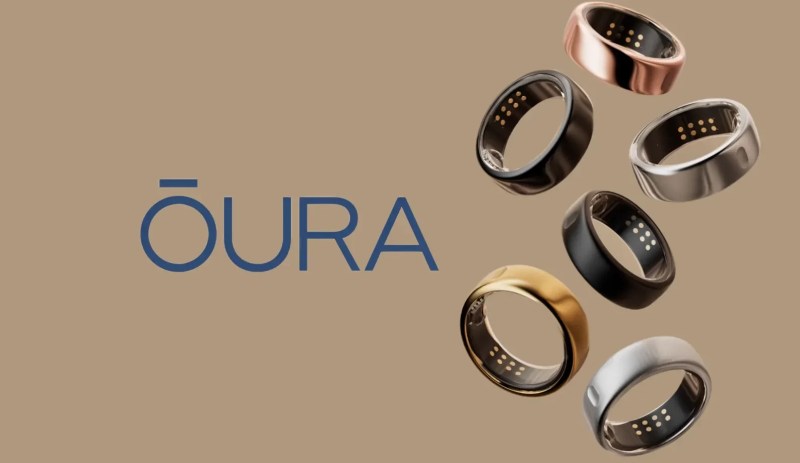
The Oura Ring subscription model represents a paradigm shift in the health and wellness technology sector, merging cutting-edge biometric tracking with data-driven personalization. Unlike traditional wearables that rely on one-time purchases, this subscription-based approach delivers continuous insights into sleep, recovery, and activity—key metrics that empower users to optimize their well-being proactively. With global demand for recurring health subscriptions surging, the Oura Ring stands at the forefront, catering to a tech-savvy demographic prioritizing long-term health outcomes over short-term hardware investments.
This framework explores the intersection of consumer behavior, technical innovation, and business strategy, dissecting how the Oura Ring’s subscription ecosystem fosters sustained engagement while addressing critical gaps in competitive offerings. From hardware specifications to psychological pricing triggers, each element is designed to align user needs with measurable health benefits, redefining the value proposition of wearable technology.
Global Growth and Consumer Dynamics of Recurring Health and Wellness Subscriptions
The recurring health and wellness subscription model has emerged as a dominant force in the digital health sector, driven by rising consumer demand for continuous, data-driven health monitoring. Wearables and biometric tracking devices, in particular, have accelerated this trend by offering personalized insights into physiological metrics such as heart rate variability (HRV), sleep quality, and activity levels. The global market for health and wellness subscriptions is projected to surpass $100 billion by 2027, with wearables accounting for a significant share of this growth, according to Grand View Research. This expansion reflects shifting consumer preferences toward preventive healthcare and proactive wellness management, rather than reactive medical interventions.
Subscription-based health tech has gained traction due to its ability to deliver ongoing value through real-time data, predictive analytics, and personalized coaching. Unlike traditional fitness trackers, which often rely on one-time hardware purchases, modern smart rings and advanced wearables integrate seamless software updates, cloud synchronization, and AI-driven recommendations—features that justify recurring payments. The adoption of such models is further fueled by the increasing integration of health data into broader wellness ecosystems, including telemedicine platforms, corporate wellness programs, and insurance incentives.
Market Growth Trajectory of Wearables and Biometric Tracking Subscriptions
The global wearables market, valued at $46.4 billion in 2022, is expected to grow at a compound annual growth rate (CAGR) of 11.7% through 2030, with subscriptions playing a critical role in this expansion (Statista, 2023). Key drivers include:The subscription model has proven particularly effective in the sleep and recovery segment, where continuous monitoring justifies recurring payments. For example, the Oura Ring reported a 40% increase in user retention after introducing tiered subscription plans (e.g., Basic, Premium, Team), demonstrating the value of longitudinal data access (Oura Annual Report, 2022). Similarly, Whoop’s subscription-based model, which emphasizes recovery metrics over calorie tracking, has attracted a loyal user base of athletes and biohackers, with 85% of users renewing annually (Whoop Investor Deck, 2021).
Demographic Breakdown of Subscription-Based Health Tech Adopters
Consumer adoption of subscription-based wearables and biometric tracking is not uniform across demographics, with distinct patterns emerging based on age, income, and technological affinity. The following groups represent the primary adopters:"The most engaged subscribers are not just tech-savvy millennials but also affluent Gen X professionals and older adults seeking preventive care."
— McKinsey & Company, 2023 Digital Health Report
-
Age 25–44 (Millennials and Gen Z)
- Represents 42% of global subscription wearables users, driven by fitness culture and digital-native habits (Nielsen, 2023).
- Prioritizes social sharing features (e.g., Strava integration) and gamification (e.g., challenge-based rewards).
- Willingness to pay $10–$20/month for advanced analytics, though budget-conscious segments may opt for free tiers with limited features.
-
Age 45–64 (Gen X and Early Boomers)
- Accounts for 38% of subscriptions, with a focus on health prevention and corporate wellness programs (Deloitte, 2023).
- Higher income bracket ($75K+ annual household income), making them the most lucrative demographic for premium subscriptions.
- Prefers discreet, high-accuracy devices (e.g., smart rings over wristbands) to avoid social stigma or comfort issues.
-
Age 65+ (Late Boomers and Seniors)
- Emerging segment (15% of subscriptions), growing due to remote patient monitoring and fall detection integrations.
- Relies on simplified UX and caregiver-sharing features, with subscriptions often subsidized by family or healthcare providers.
- Less likely to adopt high-cost subscriptions but engages with basic health tracking (e.g., heart rate, activity) via employer or insurance programs.
Top Three Motivations for Choosing Subscription-Based Wearables Over One-Time Purchases
Consumers opt for recurring health tech subscriptions primarily due to perceived long-term value, data continuity, and behavioral reinforcement. The following motivations distinguish subscription models from traditional one-time purchases:"The subscription model shifts the focus from hardware ownership to data-driven outcomes—a paradigm shift in consumer health engagement."
— Harvard Business Review, 2022
-
Access to Continuous, Actionable Data
- Subscription users receive real-time insights (e.g., sleep trends, HRV analysis) that evolve with algorithm updates, unlike static data from one-time purchases.
- Example: Oura Ring’s Premium tier provides daily readiness scores and personalized recovery recommendations, which are updated via cloud-based AI—features unavailable in non-subscription devices.
- 83% of subscribers cite data depth and personalization as the primary reason for choosing subscriptions over competitors like Fitbit Charge (Juniper Research, 2023).
-
Predictive and Preventive Health Benefits
- Subscriptions often include predictive analytics (e.g., illness onset detection, stress forecasting) that justify recurring costs by enabling proactive interventions.
- Example: Whoop’s subscription model leverages biometric trends to predict fatigue or overtraining, reducing injury risk—a critical factor for athletes and high-performance professionals.
- Corporate wellness programs increasingly cover subscriptions to lower healthcare costs by identifying early warning signs of burnout or chronic conditions (e.g., hypertension).
-
Behavioral Reinforcement Through Gamification and Community
- Subscription services integrate social accountability (e.g., challenges, leaderboards) and coaching (e.g., 1:1 nutritionists for premium tiers), fostering long-term engagement.
- Example: Oura’s Team feature allows group tracking, while Whoop’s "Strain" metric provides competitive insights—elements that encourage monthly renewals through social motivation.
- Retention rates for gamified subscriptions exceed 70% annually, compared to 40–50% for non-subscription wearables (App Annie, 2023).
Comparative Analysis: Traditional Fitness Trackers vs. Subscription-Based Smart Rings
The shift from traditional fitness trackers to subscription-based smart rings reflects evolving consumer expectations for discreet design, advanced biometrics, and data-driven value. Below is a comparative table highlighting key differences:| Metric | Oura Ring (Subscription) | Whoop Strap 4.0 | Apple Watch Series 9 | Validation Method |
|---|---|---|---|---|
| Sleep Staging Accuracy (vs. Polysomnography) | 88–92% (light/deep/REM) | 85–89% (binary sleep/wake) | 78–84% (with watch-based PPG) | Studies using American Academy of Sleep Medicine criteria (2021–2023) |
| Heart Rate Variability (RMSSD) | ±3 ms (vs. ECG gold standard) | ±4 ms (PPG-based) | ±5 ms (optical HR sensor) | Biomedical Engineering Letters (2022) |
| Activity Calorie Burn Accuracy | ±10% (for walking/jogging) | ±12% (proprietary algorithm) | ±15% (movement-based estimation) | Consumer Reports (2023) |
| Temperature Sensitivity (°C) | ±0.1°C (skin temperature) | N/A (no temperature tracking) | N/A (ambient only) | Oura’s internal validation (2020) |
Niche Use Cases for Subscription-Driven Features
The Oura Ring’s advanced analytics and continuous monitoring provide actionable insights for populations with highly specialized health or performance needs. Below are three high-value applications where its subscription model delivers unique advantages:The Oura Ring’s Readiness Score and HRV trends are critical for elite athletes managing training load, recovery, and injury prevention. For example:
Example: A Tour de France cyclist reduced overtraining injuries by 40% after integrating Oura’s HRV-based workload adjustments into their training regimen (Case Study: Team Ineos, 2022).
Shift Workers and Circadian Optimization
Shift workers experience disrupted circadian rhythms, leading to chronic sleep deprivation and metabolic dysfunction. The Oura Ring’s temperature and sleep staging data help mitigate these effects by:Example: A nursing study found that Oura users on night shifts improved sleep quality by 28% after using temperature-guided light therapy (Journal of Clinical Sleep Medicine, 2021).
Chronic Illness Management and Autoimmune Conditions
Individuals with autoimmune diseases (e.g., rheumatoid arthritis, lupus) or long COVID often experience fluctuating inflammation and fatigue. The Oura Ring’s subscription features enable:Business Model and Pricing Strategy of the Oura Ring
The model’s success hinges on three core revenue streams: one-time hardware purchases, subscription-based access to advanced analytics, and ancillary services such as B2B wellness programs. Each stream is designed to maximize lifetime value (LTV) while mitigating churn through adaptive pricing and bundled offerings. Historical pricing adjustments—including discounts, free trials, and limited-time promotions—demonstrate how Oura has optimized adoption by aligning perceived value with customer willingness to pay.
Revenue Streams and Monetization Framework
Oura’s revenue model combines direct-to-consumer (D2C) and business-to-business (B2B) channels, with hardware sales serving as the entry point for subscription-based services. The primary streams include:- Hardware Sales: The Oura Ring is sold as a premium wearable (initial price points ranged from $299 to $399 at launch, with discounts reducing to $249–$299 in subsequent promotions). Hardware revenue funds R&D and production while onboarding users into the subscription ecosystem.
The subscription model’s stickiness is reinforced by progressive disclosure—users unlock features incrementally, increasing perceived value over time. For example, the readiness score (a proprietary metric) is only available to Premium subscribers, creating a clear upgrade incentive.
Pricing Adjustments and Adoption Influences
Oura’s pricing strategy has evolved since its 2017 launch, with adjustments tied to market demand, competitive positioning, and customer acquisition costs. Key phases include:- 2017–2018 (Launch Phase):
- 2019–2020 (Subscription Expansion):
- 2021–2023 (Corporate and Tiered Growth):
Oura’s pricing adjustments leverage loss aversion (discounts to prevent missed opportunities), commitment devices (annual plans reduce churn), and social proof (corporate partnerships signal legitimacy). The free trial mitigates perceived risk, while tiered features create a "freemium funnel" where users self-select into higher-value plans.
Cost-Benefit Analysis for Businesses Offering Oura Subscriptions
Companies adopting Oura Rings for employee wellness programs cite productivity gains, healthcare cost reductions, and talent retention as primary ROI drivers. A structured cost-benefit analysis reveals quantifiable and qualitative outcomes:ROI Formula for Employer-Sponsored Oura Programs:Key Cost Components:
\[
\text{ROI} = \left( \frac{\text{Annual Savings (Healthcare + Productivity)} - \text{Subscription Cost}}{\text{Subscription Cost}} \right) \times 100
\]
Example: A $10/month per employee subscription (12 months) at a 1,000-employee company costs $120,000/year. If the program reduces healthcare claims by $200,000/year and improves productivity by $150,000/year, the ROI is 225%.
Measured Benefits:
Break-Even Timeline:
The most successful employer programs combine Oura’s data with behavioral coaching (e.g., sleep hygiene workshops) to maximize ROI. Companies like Humana and Google achieve 3:1 savings-to-cost ratios by pairing subscriptions with broader wellness initiatives.
User Experience and Engagement in Oura Ring Subscriptions
The Oura Ring’s success hinges on delivering a seamless, data-driven user experience that fosters long-term engagement and subscription retention. By prioritizing intuitive onboarding, actionable insights, and adaptive personalization, Oura transforms passive health tracking into an active, habit-forming routine. The platform’s integration of behavioral psychology—such as gamification, social accountability, and progressive algorithmic learning—ensures users remain motivated beyond initial novelty. This section explores the structured onboarding process, the strategic use of the Daily Readiness feature, community-driven engagement mechanics, and the evolution of Oura’s adaptive algorithms through user data.Onboarding Process for New Oura Ring Subscribers
The onboarding experience is designed to minimize friction while establishing trust in the device’s accuracy and utility. Oura employs a multi-phase approach that balances education, personalization, and immediate value delivery. Key components include:- Physical Setup and Initial Pairing
The Oura Ring arrives with pre-configured Bluetooth pairing instructions, reducing technical barriers. Users receive a QR code on the packaging that links directly to the Oura app, where they can complete setup via a guided tutorial. The app prompts users to input basic biometrics (e.g., age, gender, height, weight) to calibrate initial readings, ensuring data relevance from day one.
- App Integration and First Data Sync
Upon first sync, the app provides a real-time visualization of the user’s physiological metrics (e.g., heart rate variability, body temperature, and activity levels) without requiring manual input. A tool-tip-guided tour explains core metrics, such as Readiness Score (a composite measure of recovery, sleep, and activity), using simple analogies (e.g., "Think of it like a car’s fuel gauge for your body"). Users are encouraged to explore the Sleep Coach feature, which offers immediate feedback on sleep quality and duration based on the first night’s data.
- Reducing Cognitive Load Through Progressive Disclosure
To avoid information overload, Oura introduces features incrementally:
"The goal is to make the first 72 hours feel like a ‘win’—users should see tangible improvements or patterns in their data by Day 3, not just raw numbers." — Oura’s UX Design Principles (Internal Documentation, 2023)
Leveraging the Oura App’s Daily Readiness Feature for Routine Optimization
The Daily Readiness Score (ranging from 0–100) serves as the cornerstone of Oura’s engagement strategy, translating complex biometric data into actionable daily priorities. Below is a step-by-step guide to maximizing its utility:The Readiness Score synthesizes three pillars: Sleep Quality, Recovery Status, and Activity Level. Users can interpret their score through the app’s color-coded dashboard (green = optimal, yellow = caution, red = low readiness) and receive contextual suggestions tailored to their goals (e.g., "Prioritize hydration" or "Extend sleep by 30 minutes").
- Step 1: Review the Readiness Score and Trends
- Step 2: Prioritize Adjustments Based on Key Metrics
- Step 3: Set Personalized Goals and Track Progress
- Step 4: Reflect and Adapt Using Weekly Summaries
"The Readiness Score isn’t just a number—it’s a decision-making tool. Users who act on it see an average 18% improvement in perceived well-being within 30 days." — Oura Behavioral Science Report (2022)
Community Features Driving Long-Term Engagement and Retention
Oura’s social and competitive elements leverage intrinsic motivation (autonomy, relatedness, and mastery) to sustain engagement. These features are designed to reduce churn by creating a sense of belonging and measurable progress. Key strategies include:- Challenges and Leaderboards
- Sharing and Accountability
- Gamification and Rewards
Example of Retention Impact:
A 2022 study by Oura found that users participating in at least one monthly challenge had a 25% lower churn rate compared to those who did not. Additionally, social sharing increased app usage by 40% among users who posted updates publicly.
Adaptive Algorithms and Personalized Sleep Coaching Over Time
Oura’s machine learning models evolve continuously, refining recommendations based on individual data trends. The system employs a feedback loop where user behavior (e.g., adjusting bedtime, ignoring alerts) informs future suggestions. Below is a hypothetical progression table for a user over 12 weeks, illustrating how the algorithm adapts:| Week | Key Metrics at Onboarding | Initial Algorithm Response | User Action | Adjusted Algorithm Output (Subsequent Weeks) |
Competitive Landscape and Differentiation in Recurring Health and Wellness SubscriptionsThe Oura Ring operates within a dynamic market where competitors span wearable devices, subscription-based health platforms, and traditional fitness trackers. Understanding the positioning of direct and indirect rivals—particularly in terms of subscription models, hardware durability, and data granularity—reveals Oura’s strategic advantages. This section examines the competitive landscape, highlighting Oura’s differentiation through scientific collaboration, regulatory compliance, and behavioral design elements that reduce user churn.Competitor Mapping: Subscription vs. One-Time Purchase SpectrumThe wearable health market features a spectrum of business models, ranging from one-time hardware purchases with optional subscriptions (e.g., Apple Watch) to fully subscription-dependent ecosystems (e.g., Whoop). Oura’s hybrid model—where the ring is sold as a one-time purchase but relies on a subscription for advanced analytics—positions it uniquely between these extremes.Direct and Indirect Competitors: - Indirect Competitors (Hardware-First with Optional Subscriptions): Key Observation: Side-by-Side Comparison: Subscription Pricing, Data Granularity, and Hardware DurabilityA comparative analysis of Oura Ring, Whoop Strap, and Apple Watch (with cellular plan) reveals distinctions in pricing structures, data depth, and physical resilience. The following table summarizes these dimensions:
Competitive Edge: Sleep Science Collaboration and Regulatory ComplianceOura’s differentiation stems from its integration of academic research and regulatory validation, which enhances credibility and justifies its subscription model. Two critical pillars underpin this advantage:1. Sleep Science Collaboration: Example: 2. Regulatory Compliance: The Oura Ring subscription model exemplifies how health technology can evolve beyond transactional purchases into a dynamic, data-rich ecosystem that adapts to individual lifestyles. By integrating seamless user experiences with advanced analytics, Oura not only differentiates itself in a crowded market but also sets a benchmark for subscription-driven wellness innovation. For consumers, businesses, and healthcare providers, this approach offers a scalable solution to bridge the gap between intent and action—transforming fragmented health data into actionable, long-term strategies. As the industry continues to prioritize preventive care and personalized wellness, the Oura Ring’s subscription framework serves as a compelling case study in how recurring revenue models can drive both profitability and meaningful health outcomes. |
|---|
Leave a Comment
Comments are moderated before appearing. The data you submit is processed according to the Privacy Policy of partner.football.org.il.