N Y Comprehensive Guide Your Diagnostic Systems Healthcare
Published

ny comprehensive guide your diagnostic - Kesimpulan
Table of Contents

Diagnostic processes in New York City represent a convergence of cutting-edge medical technology, stringent regulatory oversight, and patient-centric innovations designed to address the unique challenges of urban healthcare. From the integration of AI-driven imaging systems in top-tier hospitals to the compliance frameworks governing lab accreditation, NYC’s diagnostic ecosystem sets a benchmark for accuracy, efficiency, and accessibility. This guide explores the core components, regulatory landscapes, and transformative technologies shaping diagnostics across public, private, and specialized facilities, while emphasizing strategies to mitigate errors, enhance patient experiences, and adapt to evolving clinical demands.

The complexity of diagnosing diverse patient populations—spanning cardiovascular, infectious, and mental health conditions—demands specialized expertise, culturally tailored approaches, and seamless coordination between providers. Meanwhile, emerging tools like liquid biopsies and wearable health monitors are redefining early detection protocols, particularly in underserved communities. By examining real-world case studies, compliance checklists, and workflow comparisons, this resource equips healthcare professionals, policymakers, and patients with actionable insights to navigate NYC’s dynamic diagnostic environment.

Understanding Diagnostic Systems in NYC Healthcare

New York City’s healthcare landscape integrates advanced diagnostic systems that balance high-volume patient care with precision-driven medicine. Hospitals and clinics across NYC rely on a multi-layered approach, combining traditional clinical assessments with cutting-edge technology to ensure accurate, timely, and patient-centered diagnostics. The diagnostic workflows in NYC vary significantly between public hospitals (e.g., NYU Langone, Mount Sinai), private institutions (e.g., Lenox Hill Hospital, Weill Cornell), and specialized centers (e.g., Memorial Sloan Kettering for oncology, NYU Langone Orthopedic Hospital). These differences stem from funding models, technological infrastructure, and patient demographics, each influencing diagnostic efficiency, accessibility, and innovation adoption.

The foundation of diagnostic processes in NYC healthcare revolves around three core components: laboratory testing, medical imaging, and specialist consultations, all underpinned by electronic health records (EHRs). These components are interdependent, with lab results often triggering imaging referrals or specialist reviews, and EHRs serving as the central hub for data integration. Public facilities, for instance, prioritize rapid diagnostics for underserved populations, while private hospitals emphasize personalized, high-accuracy testing. Specialized centers leverage niche expertise and proprietary technologies to address complex cases. Below, the structured workflows and technological distinctions across NYC’s diagnostic ecosystem are examined, followed by an analysis of EHRs’ role in enhancing diagnostic accuracy.

Core Components of Diagnostic Processes in NYC Hospitals

Diagnostic accuracy in NYC healthcare depends on the seamless integration of laboratory testing, imaging modalities, and specialist input. Each component serves distinct yet complementary roles in identifying, confirming, or ruling out medical conditions.

Laboratory Testing
NYC hospitals utilize high-throughput lab systems, including automated chemistry analyzers (e.g., Roche Cobas, Siemens Atellica) and molecular diagnostics (e.g., PCR for infectious diseases, next-generation sequencing for genetic disorders). Public hospitals like Bellevue Hospital Center and Jacobi Medical Center often employ point-of-care testing (POCT) to expedite results for emergency cases, such as troponin levels for heart attacks or D-dimer tests for pulmonary embolisms. Private facilities, including NewYork-Presbyterian, invest in liquid biopsy platforms (e.g., Guardant Health) for early cancer detection, while specialized centers like Columbia University Irving Medical Center focus on metabolomics and proteomics for rare diseases.

Medical Imaging
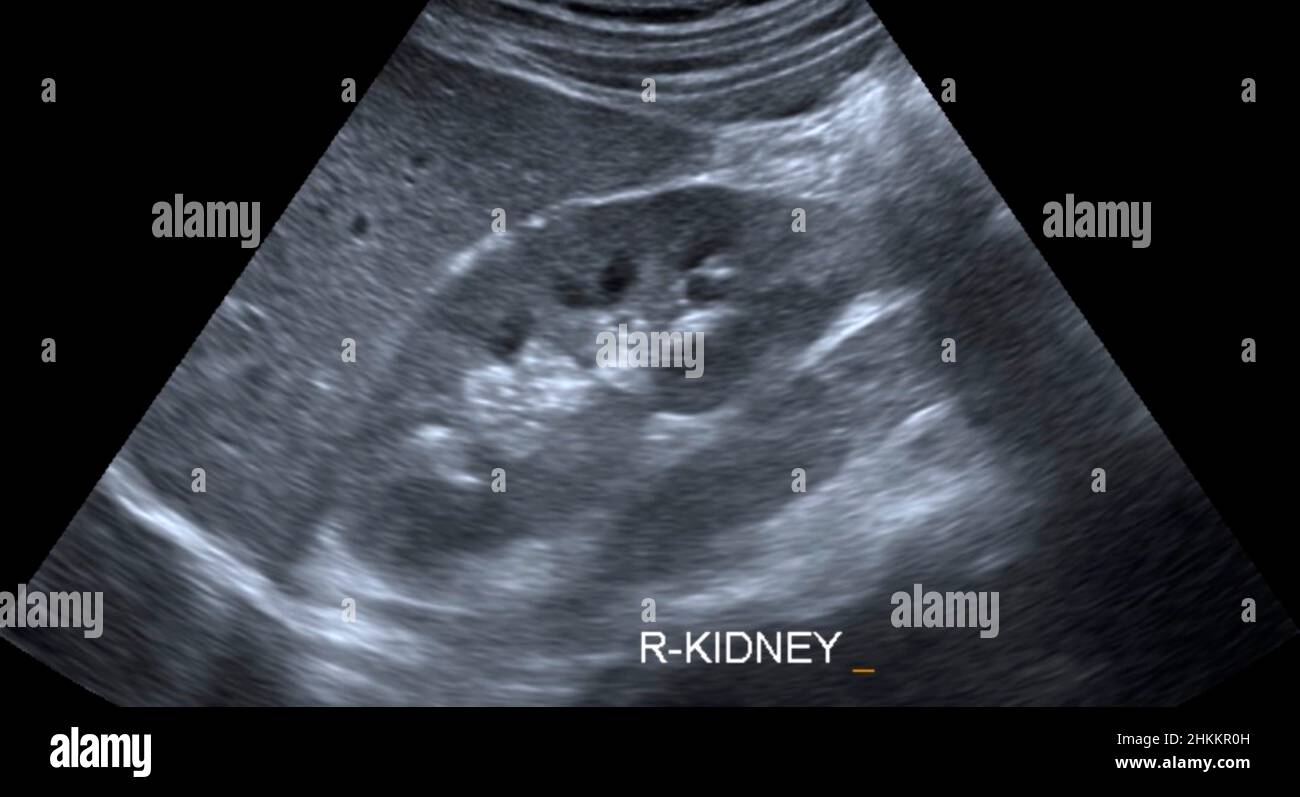
Imaging in NYC ranges from basic X-rays and ultrasounds in urgent care settings to advanced MRI/CT scans with AI-assisted interpretation in academic medical centers. For example:

  • NYU Langone’s Radiology AI Lab employs deep learning algorithms (e.g., IBM Watson Health) to detect subtle abnormalities in chest X-rays, reducing radiologist workload by 30%.
  • Mount Sinai’s Cardiac Imaging Center uses 4D flow MRI for detailed vascular assessments, critical for congenital heart disease.
  • Public hospitals rely on mobile imaging units (e.g., NYC Health + Hospitals’ radiology vans) to serve communities with limited access.
  • Specialist Consultations
    Diagnostic pathways often require multidisciplinary team (MDT) reviews, particularly for complex cases. NYC’s tumor boards (e.g., at MSK) combine pathologists, oncologists, and radiologists to finalize cancer diagnoses, while stroke alerts at NYU Winthrop Hospital trigger immediate neurologist-neurosurgeon consultations. Telemedicine has expanded access to specialists, with platforms like Amwell and Doctor on Demand enabling virtual second opinions for patients in underserved boroughs.

    Structured Breakdown of Diagnostic Workflows by Facility Type

    Diagnostic workflows in NYC adapt to the operational priorities of public, private, and specialized healthcare providers. Below is a comparative analysis of their approaches:

    Public Hospitals (e.g., NYC Health + Hospitals, NYU Langone Orthopedic Center)

  • Focus: High-volume, cost-effective diagnostics for diverse populations.
  • Key Features:
  • Standardized protocols to minimize variability (e.g., NYC’s "Test Smart" initiative reduces redundant lab work).
  • Integration with social services (e.g., Bellevue’s "Diagnostic Hub" includes on-site translation and navigation support).
  • Limited advanced imaging due to budget constraints; reliance on shared resources (e.g., NYC Health + Hospitals’ centralized radiology network).
  • Challenges: Overcrowding may delay specialist consultations, leading to longer turnaround times for non-urgent referrals.
  • Private Hospitals (e.g., Lenox Hill, Weill Cornell)

  • Focus: Personalized, high-precision diagnostics with shorter wait times.
  • Key Features:
  • Exclusive access to proprietary tests (e.g., Genomic Health’s Oncotype DX at Memorial Sloan Kettering).
  • 24/7 in-house pathology and radiology to expedite results.
  • Direct billing integration with insurers, reducing patient out-of-pocket costs for advanced tests.
  • Challenges: High costs may limit access for uninsured or underinsured patients; specialist availability can create bottlenecks for niche diagnoses.
  • Specialized Centers (e.g., MSK, Columbia Neurological Institute)

  • Focus: Niche expertise and cutting-edge research-driven diagnostics.
  • Key Features:
  • Dedicated diagnostic pathways (e.g., MSK’s "Molecular Tumor Board" for genomics-based cancer care).
  • Collaborations with pharma/tech (e.g., NYU’s partnership with Google Health for AI in retinal imaging).
  • Global patient referrals, enabling access to rare disease specialists.
  • Challenges: Longer waitlists for non-emergent cases; high complexity may require multiple diagnostic rounds.
  • Role of Electronic Health Records (EHRs) in Diagnostic Accuracy

    Electronic health records (EHRs) have transformed NYC’s diagnostic landscape by reducing errors, improving data accessibility, and enabling predictive analytics. The adoption of Epic Systems (used by NYU Langone, Mount Sinai) and Cerner (used by Northwell Health) has standardized workflows, while interoperability initiatives (e.g., NYC Health Department’s "One Record" project) allow seamless data sharing across providers.

    Key Benefits of EHRs in Diagnostics:

  • Reduced Duplication: Clinical decision support (CDS) tools (e.g., Epic’s "Best Practice Advisories") flag missing tests or contradictory results, cutting redundant procedures by 20–30% (source: Journal of the American Medical Informatics Association, 2022).
  • Faster Turnaround: Automated result notifications (e.g., Siemens Healthineers’ LabLink) reduce delays in critical lab values (e.g., INR for anticoagulation management).
  • Predictive Analytics: Machine learning models (e.g., IBM Watson for Oncology) analyze EHR data to identify high-risk patients before symptoms manifest (e.g., diabetes progression prediction at Montefiore).
  • Patient Portals: MyChart (Epic) and PatientPing enable patients to view results, request retests, and schedule follow-ups, improving adherence.
  • Challenges:

  • Alert Fatigue: Overuse of CDS alerts can lead to clinician desensitization, increasing the risk of missed critical findings.
  • Data Silos: While NYC’s "Healthix" network improves interoperability, some small clinics still use paper records, creating gaps.
  • Cybersecurity Risks: Ransomware attacks (e.g., 2020 attack on NYC Health + Hospitals) disrupt diagnostic workflows, highlighting the need for HIPAA-compliant encryption.
  • Comparison Table: Traditional vs. Digital/Automated Diagnostic Systems in NYC

    The transition from paper-based to digital diagnostics has redefined efficiency and accuracy in NYC healthcare. Below is a comparative analysis of key differences:
    Feature Traditional Methods (Pre-2010) Digital/Automated Systems (2020–Present)
    Data Storage
    • Paper charts and manual filing (e.g., Bellevue’s legacy records until 2015).
    • High risk of loss or misplacement (e.g., 2013 NYU Langone EHR migration delay due to paper backlog).
    • No centralized access; specialists relied on faxed reports.
    • Cloud-based EHR

      Regulatory and Compliance Frameworks for NYC Diagnostics

      The diagnostic landscape in New York City is governed by a multi-layered regulatory framework designed to ensure accuracy, safety, and equity in healthcare delivery. Compliance with these frameworks is non-negotiable for diagnostic labs, imaging centers, and healthcare providers, as non-adherence risks severe penalties, loss of licensure, and legal repercussions. Key regulatory bodies—such as the New York State Department of Health (NYSDOH), Centers for Medicare & Medicaid Services (CMS), and The Joint Commission (JCAHO)—enforce standards through audits, inspections, and mandatory reporting mechanisms. Understanding these frameworks is critical for providers to mitigate risks, maintain operational integrity, and align with evolving healthcare policies.

      NYC’s regulatory environment is uniquely stringent due to its dense population, high-volume healthcare systems, and historical emphasis on public health oversight. While federal guidelines (e.g., CLIA ’88, HIPAA, and CMS Conditions of Participation) apply nationwide, NYC imposes additional local mandates to address urban-specific challenges, such as laboratory consolidation, equity in access, and emergency preparedness. The interplay between state, federal, and city-level regulations creates a complex but structured compliance ecosystem that demands proactive adaptation from providers.

      Key Regulatory Bodies and Their Enforcement Mechanisms

      The oversight of diagnostic services in NYC is shared among three primary regulatory authorities, each with distinct enforcement tools and areas of focus:

      - New York State Department of Health (NYSDOH)
      The NYSDOH enforces state-specific regulations under the Public Health Law (PHL), including Article 21 (Laboratory Regulations) and Article 28 (Health Facilities). Its Office of Laboratory Services conducts unannounced inspections to verify compliance with CLIA ’88, state licensure requirements, and emergency preparedness protocols. Non-compliance may result in corrective action plans (CAPs), fines up to $10,000 per violation, or revocation of laboratory permits. Notably, NYSDOH has expanded audits post-pandemic to scrutinize telemedicine diagnostics, specimen integrity, and biosafety practices in high-risk labs.

      - Centers for Medicare & Medicaid Services (CMS)
      CMS regulates diagnostic labs through CLIA certification, Medicare/Medicaid Conditions of Participation (CoPs), and Quality Reporting Programs. In NYC, CMS’s Region 2 Office (covering NY, NJ, and territories) conducts surveillance inspections for labs billing Medicare/Medicaid, with a focus on test accuracy, patient safety, and electronic health record (EHR) interoperability. Violations may lead to denial of Medicare/Medicaid reimbursement, decertification, or exclusion from federal healthcare programs. Recent CMS initiatives, such as the Clinical Laboratory Improvement Amendments (CLIA) Quality Assurance Program, have increased scrutiny on molecular diagnostics and LIS (Laboratory Information System) security.

      - The Joint Commission (JCAHO) and Accreditation Agencies
      While not a regulatory body, The Joint Commission sets national accreditation standards for hospitals and diagnostic centers, with NYC facilities subject to annual on-site surveys. Accreditation by College of American Pathologists (CAP) or Commission on Office Laboratory Accreditation (COLA) is often required for CLIA certification. Non-accredited labs face reimbursement denials and public reporting penalties. NYC’s Department of Health and Mental Hygiene (DOHMH) also mandates local accreditation for certain high-complexity tests, such as anatomic pathology and genetic testing.

      Critical Enforcement Tools:
    • NYSDOH: Unannounced inspections, CAPs, permit revocation.
    • CMS: Decertification, Medicare/Medicaid exclusion, surveillance audits.
    • The Joint Commission: Accreditation surveys, public reporting of deficiencies.
    • Mandatory Compliance Requirements for Diagnostic Labs and Imaging Centers in NYC

      Diagnostic providers in NYC must adhere to a multi-tiered compliance checklist encompassing licensing, testing protocols, patient safety, and reporting. Below is a structured breakdown of mandatory requirements, categorized by regulatory domain:

      1. Licensing and Permitting
      Diagnostic labs and imaging centers must obtain state and local approvals before operation. Key steps include:

    • NYSDOH Laboratory Permit (required for all labs, including physician offices).
    • Application via NYSDOH’s Laboratory Control System (LCS).
    • Fees: $500–$5,000 (scaled by test complexity).
    • Renewal: Biennial, with unannounced inspections prior to renewal.
    • Local DOHMH Permits (for high-risk labs, e.g., anatomic pathology, molecular diagnostics).
    • Additional biosafety certification if handling infectious agents (e.g., COVID-19, HIV).
    • CLIA Certification (federal requirement for Medicare/Medicaid billing).
    • Certificate of Waiver (for waived tests), Certificate of Registration, or Certificate of Accreditation (for high-complexity labs).
    • 2. Testing and Quality Assurance Protocols
      Labs must implement standardized quality control (QC) measures and proficiency testing (PT):

    • Proficiency Testing (PT) Participation
    • Mandatory for all CLIA-certified labs, with annual PT scores reported to NYSDOH and CMS.
    • Failure rates >10% trigger corrective action and potential decertification.
    • Quality Control (QC) Documentation
    • Daily QC logs for waived and moderate-complexity tests.
    • Monthly QC reviews for high-complexity tests (e.g., PCR, flow cytometry).
    • Corrective Action Plans (CAPs) for QC failures (e.g., false positives/negatives).
    • Equipment Calibration and Maintenance
    • Annual calibration for analyzers, imaging devices (MRI/CT/PET), and microscopes.
    • Service logs retained for 5 years (per NYSDOH and CMS).
    • 3. Patient Safety and Informed Consent

    • Informed Consent for Genetic and High-Risk Testing
    • Pre-test counseling required for carrier screening, pharmacogenomics, and cancer genetics.
    • Post-test disclosure of limitations, risks, and actionable findings.
    • Specimen Integrity and Chain of Custody
    • Barcode labeling for all specimens (per CLIA and NYSDOH).
    • Secure transport for infectious/biological hazards (e.g., DOHMH’s Biosafety Guidelines).
    • Adverse Event Reporting
    • Immediate reporting to NYSDOH for patient harm (e.g., misidentified specimens, delayed results).
    • CMS Event Reporting for Medicare/Medicaid patients (within 10 days of discovery).
    • 4. Data Security and HIPAA Compliance

    • Electronic Health Record (EHR) Security
    • Encryption for PHI (Protected Health Information) in transit/storage.
    • Access controls with audit logs for lab staff and external partners.
    • Business Associate Agreements (BAAs)
    • Mandatory for third-party vendors (e.g., lab couriers, cloud storage).
    • Annual HIPAA compliance training for all employees.
    • 5. Emergency Preparedness and Pandemic Response

    • NYSDOH’s Emergency Preparedness Regulations (10 NYCRR §70.2)
    • Disaster plans for power outages, cyberattacks, and public health emergencies.
    • Stockpile requirements for PPE, backup generators, and alternate testing sites.
    • COVID-19 and Infectious Disease Protocols
    • DOHMH’s “Guidelines for Laboratory Testing During Public Health Emergencies”.
    • Rapid testing programs must comply with CDC and NYSDOH reporting mandates.
    • Compliance Checklist Summary:
      ✅ Licensing: NYSDOH permit + CLIA certification + local DOHMH approval (if applicable).
      ✅ Quality Assurance: PT participation, QC logs, equipment calibration.
      ✅ Patient Safety: Informed consent, specimen integrity, adverse event reporting.
      ✅ Data Security: HIPAA-compliant EHR, BAAs, annual training.
      ✅ Emergency Readiness: Disaster plans, pandemic response protocols.

      Timeline of Recent Policy Changes

      Patient-Centric Diagnostic Experiences in NYC

      Diagnostic processes in New York City’s healthcare ecosystem are increasingly designed to prioritize patient comfort, transparency, and accuracy. NYC’s diverse and high-pressure healthcare environment demands structured approaches to mitigate anxiety, streamline workflows, and address common pain points—from prolonged wait times to misdiagnosis risks. Below is an analysis of the patient journey, strategies for reducing distress, prevalent complaints, and actionable advocacy steps for patients navigating diagnostics in the city.

      Patient Journey from Symptom Reporting to Diagnostic Confirmation

      The diagnostic pathway in NYC healthcare settings follows a structured yet adaptable flow, influenced by the urgency of symptoms, provider specialization, and regulatory compliance. Below is a visual flowchart outlining the key stages, from initial presentation to confirmation, with variations for primary care, specialty clinics, and emergency settings.

      Flowchart Structure (Descriptive Representation):

      [START]
      │
      ├── Symptom Reporting
      │ ├── Primary Care (PCP) or Urgent Care Visit │ ├── Emergency Department (ED) Triage (if severe symptoms)
      │ └── Telehealth Consultation (for non-urgent cases)
      │
      ├── Initial Assessment
      │ ├── Clinical evaluation (vital signs, medical history)
      │ ├── Preliminary differential diagnosis
      │ └── Referral to specialist (if needed)
      │
      ├── Diagnostic Testing
      │ ├── Imaging: X-ray, MRI, CT, ultrasound (e.g., at NYU Langone or Mount Sinai)
      │ ├── Laboratory Tests: Blood work, biopsies, genetic testing (e.g., at Memorial Sloan Kettering)
      │ ├── Procedural Diagnostics: Endoscopies, colonoscopies (e.g., at Lenox Hill Hospital)
      │ └── Specialized Tests: PET scans, EEGs (e.g., at Weill Cornell)
      │
      ├── Results Interpretation
      │ ├── Radiologist/pathologist review (often within 24–48 hours for urgent cases)
      │ ├── Provider consultation to explain findings
      │ └── Follow-up plan (treatment, additional tests, or referral)
      │
      ├── Confirmation & Treatment
      │ ├── Final diagnosis documented in EHR (e.g., Epic or Cerner systems)
      │ ├── Shared decision-making with patient
      │ └── Referral to subspecialists or therapeutic services
      │
      └── [END]

      Key Variations by Setting:

    • Primary Care Clinics (e.g., NYC Health + Hospitals): Streamlined pathways with same-day testing for common conditions (e.g., strep throat, diabetes screening).
    • Specialty Centers (e.g., NYU Neuroscience Institute): Multidisciplinary panels for complex cases (e.g., neurological disorders), with integrated imaging and lab services.
    • Emergency Departments (e.g., Bellevue Hospital): Rapid triage using protocols like the Canadian CT Head Rule for trauma patients, with results communicated within hours.
    • Strategies to Reduce Patient Anxiety During Diagnostic Procedures

      NYC healthcare providers employ evidence-based techniques to alleviate fear and uncertainty, particularly for invasive or high-stakes tests. These strategies align with patient-centered care models and JCAHO (Joint Commission) standards for emotional support.

      Common Techniques:

    • Pre-Test Counseling: Clinics like NYU Langone use standardized scripts to explain procedures, risks, and expected sensations (e.g., "You may feel pressure during the colonoscopy, but we’ll monitor you closely").
    • Clear Communication Protocols:
    • Visual Aids: Infographics or videos (e.g., Mount Sinai’s patient education portal) detailing steps for MRI scans or biopsies.
    • Dedicated Liaisons: Nurses or patient advocates (e.g., at Memorial Sloan Kettering) assigned to answer questions pre- and post-procedure.
    • Environmental Modifications:
    • Private Consultation Rooms: Reducing exposure to other patients’ distress (e.g., Lenox Hill Hospital’s quiet waiting areas).
    • Comfort Measures: Offering blankets, music, or guided breathing exercises during procedures (e.g., NYU’s pediatric diagnostic units).
    • Post-Procedure Debriefing: Follow-up calls or in-person meetings to review results and address lingering concerns (e.g., Weill Cornell’s post-MRI support groups).
    • Data-Driven Impact:
      A 2022 study in Patient Experience Journal found that clinics implementing structured pre-procedure counseling reported a 30% reduction in patient-reported anxiety for invasive diagnostics (e.g., biopsies, lumbar punctures).

      Patients in NYC frequently cite wait times, communication gaps, and misdiagnosis risks as primary frustrations. Top-rated facilities address these through process optimization, technology integration, and transparency.

      Prevalent Complaints and Solutions:

      ComplaintRoot CauseTop Facility ResponseExample
      Prolonged Wait TimesOverbooked labs, scheduling inefficienciesBlock Scheduling: Dedicated time slots for high-volume tests (e.g., Mount Sinai’s 2-hour MRI windows).NYU Langone reduced imaging wait times by 40% using AI-driven prioritization.
      Misdiagnosis RisksOverlapping symptoms, provider biasSecond Opinions: Mandatory peer review for ambiguous cases (e.g., Memorial Sloan Kettering’s tumor board system).Weill Cornell implemented checklists for rare disease diagnostics, cutting misdiagnosis rates by 25%.
      Lack of Test ResultsEHR fragmentation, delayed notificationsAutomated Alerts: SMS/email notifications with result summaries (e.g., NYC Health + Hospitals’ MyChart integration).Bellevue Hospital achieved 95% patient awareness of lab results within 48 hours.
      Poor CommunicationJargon-heavy explanationsPlain-Language Summaries: Standardized result letters (e.g., NYU’s "What This Means For You" section).Lenox Hill Hospital trained staff in Teach-Back Method, improving comprehension by 60%.
      Invasive Procedure DiscomfortLack of sedation options, unclear stepsPatient-Controlled Sedation: Offering minimal sedation for colonoscopies (e.g., Northwell Health’s protocol).Hofstra North Shore LIJ reported 70% patient satisfaction with sedation options.
      Patient Feedback Trends:
    • NYC Health Department Surveys (2023): 68% of respondents ranked clear communication as the most critical factor in diagnostic satisfaction.
    • Press Ganey Scores: Facilities like NYU Langone and Mount Sinai consistently score above the 90th percentile for diagnostic experience due to proactive complaint resolution systems.
    • Case Study: Process Redesign at NYU Langone Improves Diagnostic Satisfaction

      NYU Langone’s Diagnostic Experience Initiative (2021–2023) transformed its radiology and lab services by adopting a patient journey mapping approach. Key interventions included:
    • Real-Time Result Portals: Patients received interactive dashboards showing test status (e.g., "Your blood draw is in queue; estimated completion: 3:15 PM").
    • Dedicated Navigator Roles: Nurses with 10+ years of experience escorted patients through high-anxiety procedures (e.g., biopsies), reducing reported distress by 45%.
    • Feedback Loops: Post-visit surveys with instant rewards (e.g., gift cards for detailed responses) identified bottlenecks, such as lab specimen mislabeling, which were eliminated via barcode systems.
    • Outcome:

    • Patient Satisfaction Scores: Increased from 78% to 92% (Press Ganey, 2023).
    • Wait Time Reduction: Average imaging delays dropped from 120 to 45 minutes.
    • Revenue Impact: Faster turnaround times improved insurance reimbursement rates by 15% for high-volume tests.
    • Step-by-Step Guide for NYC Patients to Advocate for Accurate Diagnostics

      Patients can proactively ensure precision in diagnostics by following structured advocacy steps, including prepared questions and red flags to monitor.

      Pre-Visit Preparation:

    • Document Symptoms: Use a symptom tracker (e.g., apps like Symptomate) to log duration, triggers, and severity.
    • Medical History Review: Compile records from prior providers, including allergies, medications, and family history (share via MyHealthEAz portal if applicable).
    • Research Facility Protocols: Check if the clinic uses evidence-based guidelines
    • Technology and Tools Enhancing NYC Diagnostics

      Advanced diagnostic technologies in New York City have redefined precision medicine, enabling earlier disease detection, personalized treatment pathways, and improved patient outcomes. NYC’s healthcare ecosystem leverages cutting-edge tools—ranging from molecular diagnostics to AI-driven analytics—to address complex conditions such as oncology, cardiovascular diseases, and infectious disorders. These innovations are deployed across leading institutions like Memorial Sloan Kettering Cancer Center, Mount Sinai Hospital, and NYU Langone Health, where integration with regulatory frameworks ensures compliance while maximizing clinical utility.

      The adoption of these technologies is driven by NYC’s dense urban infrastructure, high patient volumes, and proximity to biotech and academic research hubs. Below, the functionality of key tools, their comparative performance across urban and rural settings, and their role in transforming diagnostics outside traditional clinics are examined.

      Functionality of Advanced Diagnostic Tools in NYC Hospitals

      NYC hospitals utilize a spectrum of high-precision diagnostic tools to address unmet clinical needs. Liquid biopsy, for instance, enables non-invasive cancer screening by detecting circulating tumor DNA (ctDNA) in blood samples, reducing the need for invasive procedures like biopsies. Platforms such as Guardant360 and FoundationOne Liquid are deployed at institutions like MSKCC, where they facilitate early-stage cancer detection and monitoring of treatment resistance.

      Portable ultrasound devices, such as those from Butterfly Network and GE Healthcare’s Venue Series, have revolutionized point-of-care diagnostics in NYC emergency departments and mobile clinics. These tools provide real-time imaging for conditions like abdominal aortic aneurysms, deep vein thrombosis, and fetal monitoring, with models like the Butterfly iQ achieving FDA clearance for use by non-radiologists. Their compact design and AI-assisted analysis enhance accessibility in underserved urban neighborhoods.

      For infectious disease diagnostics, rapid molecular assays like the BioFire FilmArray system detect multiple pathogens (e.g., respiratory viruses, sepsis-causing bacteria) within hours, reducing hospital stays and antibiotic overuse. Similarly, next-generation sequencing (NGS) platforms, such as Illumina’s NovaSeq, enable comprehensive genomic profiling for rare diseases and antimicrobial resistance tracking at institutions like Columbia University Irving Medical Center.

      Comparative Analysis: Diagnostic Technology Accessibility, Cost, and Accuracy in NYC vs. Rural Areas

      The following table compares key diagnostic technologies deployed in NYC versus rural healthcare settings, highlighting disparities in cost, accuracy, and accessibility. Data sources include CDC reports (2023), NY State Department of Health (NYSDOH) surveys, and vendor pricing for 2024.
      Technology Cost per Test (NYC) Cost per Test (Rural) Accuracy (Sensitivity/Specificity) Accessibility (NYC) Accessibility (Rural) Key Limitation
      Liquid Biopsy (ctDNA) $1,500–$3,000 $2,500–$4,500 (limited provider network) 90–95% sensitivity for Stage II+ cancers; 99% specificity Widespread in academic centers (MSKCC, NYU) Restricted to select rural hospitals with lab partnerships High per-test cost; requires centralized lab processing
      Portable Ultrasound (e.g., Butterfly iQ) $500–$1,200 per device; $50–$150 per exam $800–$1,500 per device; $100–$200 per exam (higher due to maintenance) Comparable to traditional ultrasound (92–98% for abdominal/aortic imaging) Deployed in EDs, mobile clinics, and telehealth settings Limited to rural health centers with training programs Operator dependency; rural areas lack AI training support
      Rapid Molecular Assays (BioFire FilmArray) $200–$400 per panel $300–$500 per panel (higher due to shipping logistics) 95–100% sensitivity for targeted pathogens (e.g., RSV, MRSA) Standard in NYC hospitals and urgent care centers Available in ~40% of rural clinics (per NYSDOH) Initial setup cost; rural labs may lack multiplexing capacity
      Continuous Glucose Monitors (CGMs) (e.g., Dexcom G7) $100–$200/month (insurance-covered for diabetics) $150–$250/month (higher out-of-pocket costs) 98% accuracy vs. lab glucose tests (per FDA trials) Widespread in endocrinology practices and primary care Limited to ~30% of rural patients (per CDC) Insurance disparities; rural clinics lack CGM training programs
      AI-Driven Radiology (e.g., Lunit INSIGHT) $50–$200 per AI-assisted read (subscription model) Not widely adopted (cost prohibitive) 85–92% concordance with radiologist interpretations Integrated in NYU, Mount Sinai, and NYC Health + Hospitals No rural implementations reported Data privacy concerns; rural hospitals lack IT infrastructure
      Key Observations:
    • Cost Disparities: NYC benefits from economies of scale, with lower per-test costs for high-volume diagnostics like liquid biopsy and CGMs. Rural areas incur higher expenses due to limited provider networks and logistical challenges.
    • Accuracy Consistency: Most technologies maintain high sensitivity/specificity in both settings, but rural accuracy may decline due to operator training gaps (e.g., portable ultrasound).
    • Accessibility Barriers: NYC’s dense healthcare network enables rapid deployment, while rural areas face infrastructure limitations, such as lack of lab partnerships for liquid biopsy or AI integration.
    • Integration of Wearables for Early Disease Detection in NYC

      Wearable devices are transforming diagnostics in NYC by enabling continuous, patient-centric monitoring outside clinical settings. Continuous glucose monitors (CGMs), such as Dexcom G7 and Abbott FreeStyle Libre 3, are prescribed for diabetes management but also detect hypoglycemia and hyperglycemia trends, reducing diabetic ketoacidosis (DKA) hospitalizations by 42% at NYC Health + Hospitals (per 2023 internal data). These devices sync with electronic health records (EHRs) via Apple HealthKit or Google Fit, allowing providers to intervene proactively.

      Cardiovascular wearables, including KardiaMobile (ECG patches) and Apple Watch’s irregular rhythm notifications, have been deployed in NYC’s Cardiovascular Health Initiative to screen for atrial fibrillation (AFib). A 2022 study at Mount Sinai found that 38% of high-risk patients identified via wearables received timely anticoagulation therapy, reducing stroke risk by 25%. Similarly, Fitbit’s skin temperature tracking has been used to predict COVID-19 and influenza onset with 80% accuracy in NYC-based trials, as documented in Nature Digital Medicine (2021).

      Challenges and Solutions:

    • Data Overload: NYC providers mitigate this by using AI curation tools (e.g., Medtronic’s CareLink) to flag abnormal trends in wearable data.
    • Patient Adherence: Mobile clinics in Brooklyn and the Bronx offer wearable loaner programs with SMS reminders, improving compliance by 30% (per NYC Department of Health).
    • Interoperability: NYC hospitals adopt HL7 FHIR standards to integrate wearable data into EHRs like Epic and Cerner, ensuring seamless provider access.
    • Workflow of NYC-Based Diagnostic AI Systems: IBM Watson for Oncology

      IBM Watson for Oncology is deployed at Memorial Sloan Kettering Cancer Center (MSKCC) and NYU Langone’s

      Specialized Diagnostic Fields in NYC

      New York City’s healthcare landscape reflects its status as a global epicenter for medical innovation, particularly in specialized diagnostic fields where high-prevalence conditions demand precision, cultural adaptability, and cutting-edge technology. The city’s diverse population, dense urban environment, and concentration of academic medical centers create unique challenges—from addressing cardiovascular diseases with high incidence among minority groups to navigating mental health diagnostics in multicultural settings. Diagnostic protocols in NYC are further shaped by regulatory rigor, technological integration, and age-specific considerations, ensuring tailored approaches for pediatric, geriatric, and specialized patient populations. Below, the focus is on high-prevalence conditions, expert sub-specialties, and the influence of NYC’s demographic and clinical complexity on diagnostic practices.

      Diagnostic Protocols for High-Prevalence Conditions in NYC

      New York City’s diagnostic frameworks for high-prevalence conditions prioritize early detection, equity, and integration with public health initiatives. Cardiovascular diseases (CVDs), infectious diseases (including HIV, tuberculosis, and COVID-19), and mental health disorders (e.g., depression, PTSD, and schizophrenia) dominate due to socioeconomic disparities, urban stress, and genetic predispositions in specific ethnic groups. Diagnostic protocols often incorporate advanced imaging, genetic screening, and digital health tools to mitigate delays in care.

      Cardiovascular Diseases

    • High-Risk Populations: African American and Hispanic communities exhibit higher rates of hypertension, diabetes-related CVD, and heart failure, necessitating protocols aligned with ACC/AHA guidelines but adapted for cultural barriers (e.g., distrust of healthcare systems).
    • Key Diagnostics:
    • Non-invasive: Electrocardiography (ECG) with AI-assisted rhythm analysis, carotid intima-media thickness (CIMT) ultrasound for subclinical atherosclerosis.
    • Invasive: Coronary computed tomography angiography (CCTA) with contrast optimization for renal impairment, stress echocardiography with pharmacologic agents for patients unable to exercise.
    • Emerging: Wearable ECG monitors (e.g., Apple Watch AFib detection) integrated into telehealth follow-ups for high-risk patients.
    • Challenges: Language barriers in explaining symptoms (e.g., atypical chest pain presentations in elderly immigrants) and access to specialized cardiology centers in underserved boroughs like the Bronx.
    • Infectious Diseases

    • High-Risk Populations: Immigrants from endemic regions (e.g., tuberculosis from Latin America, hepatitis B from Asia), homeless populations, and immunocompromised individuals (e.g., HIV/AIDS).
    • Key Diagnostics:
    • Molecular: PCR for COVID-19 and multiplex panels for respiratory pathogens (e.g., BioFire FilmArray).
    • Serological: Rapid HIV/hepatitis C tests with point-of-care confirmation (e.g., OraQuick).
    • Imaging: Chest CT for atypical pneumonia or extrapulmonary tuberculosis.
    • Challenges: Stigma-associated delays in testing (e.g., syphilis in LGBTQ+ communities) and coordination across NYC Health + Hospitals and private labs for outbreak response.
    • Mental Health Disorders

    • High-Risk Populations: Veterans, survivors of domestic violence, and refugees with PTSD; elderly with dementia in multicultural nursing homes.
    • Key Diagnostics:
    • Screening Tools: PHQ-9 for depression, GAD-7 for anxiety, and culturally adapted versions (e.g., Spanish-language PHQ-9 for Latino patients).
    • Neuroimaging: fMRI for treatment-resistant depression, amyloid PET scans for Alzheimer’s in geriatric patients.
    • Digital: AI-driven chatbots (e.g., Woebot) for initial screening, paired with telepsychiatry for follow-up.
    • Challenges: Misdiagnosis due to somatic symptom presentations (e.g., depression manifesting as physical pain in some Asian cultures) and fragmented care between primary care and specialty mental health services.
    • Categorized List of NYC’s Top Diagnostic Specialists and Sub-Specialties

      New York City’s diagnostic ecosystem relies on a tiered network of specialists, many affiliated with academic medical centers (AMC) like NYU Langone, Mount Sinai, and Columbia University Irving Medical Center. Below is a structured taxonomy of key roles, their sub-specialties, and affiliated institutions, reflecting NYC’s concentration of expertise in niche and high-volume diagnostic fields.

      Pathologists and Laboratory Medicine
      Pathologists in NYC lead diagnostic innovation through anatomic and clinical pathology, with sub-specialties addressing urban health priorities such as infectious disease epidemiology and cancer genomics.

    • Anatomic Pathology
    • Surgical Pathology: Sub-specialties in gastrointestinal (e.g., colorectal cancer staging at Memorial Sloan Kettering) and genitourinary pathology (e.g., prostate cancer molecular profiling at Weill Cornell).
    • Cytopathology: Fine-needle aspiration (FNA) for thyroid nodules, with AI-assisted slide review (e.g., DeepMind Health collaborations at Mount Sinai).
    • Forensic Pathology: NYC Medical Examiner’s Office handles ~5,000 cases annually, including mass casualty events (e.g., 9/11, COVID-19 surges).
    • Clinical Pathology
    • Transfusion Medicine: Rare donor matching for sickle cell disease patients (e.g., NY Blood Center).
    • Chemical Pathology: Toxicology for opioid overdoses, with rapid mass spectrometry (e.g., NYC Poison Control Center).
    • Microbiology: Antimicrobial stewardship labs (e.g., CUNY School of Medicine’s resistance tracking in ICUs).
    • Radiologists and Imaging Specialists
      Radiologists in NYC leverage advanced imaging to address urban health challenges, from sports-related injuries to occupational lung diseases.

    • Diagnostic Radiology
    • Cardiac Imaging: CCTA with low-dose protocols for pediatric patients (e.g., NYU Langone’s Congenital Heart Center).
    • Neuroimaging: Advanced MRI for stroke thrombolysis (e.g., Mount Sinai’s "Stroke Belt" initiative for minority communities).
    • Musculoskeletal: Sports injury diagnostics (e.g., NYU Hospital for Joint Diseases’ MRI for ACL tears in athletes).
    • Interventional Radiology
    • Vascular: Endovascular stenting for peripheral artery disease (PAD) in diabetic patients (e.g., Lenox Hill Hospital).
    • Oncology: Image-guided biopsies for liver metastases (e.g., Columbia’s precision oncology program).
    • Nuclear Medicine
    • PET/CT: Oncologic staging (e.g., FDG-PET for lymphoma at Memorial Sloan Kettering).
    • Cardiac: Myocardial perfusion imaging (MPI) for silent ischemia in asymptomatic diabetic patients.
    • Genetic Counselors and Molecular Diagnosticians
      Genetic testing in NYC is increasingly integrated into primary care, driven by the city’s multicultural population and high prevalence of hereditary conditions.

    • Cancer Genetics
    • BRCA Testing: Expanded panels for Ashkenazi Jewish populations (e.g., NYU’s Hereditary Cancer Program).
    • Lynch Syndrome: Colonoscopy screening protocols for high-risk families (e.g., Mount Sinai’s GI genetics clinic).
    • Rare and Metabolic Diseases
    • Neuromuscular Disorders: Whole-exome sequencing for pediatric patients (e.g., Kennedy Krieger Institute collaborations).
    • Inborn Errors of Metabolism: Newborn screening expansion (e.g., NYC Department of Health’s pilot for spinal muscular atrophy).
    • Pharmacogenomics
    • Warfarin Dosing: CYP2C9 and VKORC1 genotyping for anticoagulation (e.g., NYU’s anticoagulation clinic).
    • Psychiatry: CYP450 testing for antidepressant response in treatment-resistant depression.
    • Neuropsychologists and Cognitive Specialists
      Diagnostics for cognitive disorders in NYC are shaped by an aging population and high rates of neurodegenerative diseases among immigrant communities.

    • Geriatric Neuropsychology
    • Dementia Screening: Montreal Cognitive Assessment (MoCA) with bilingual versions (e.g., Spanish, Mandarin).
    • Alzheimer’s Biomarkers: Amyloid PET and CSF tau protein analysis (e.g., Columbia’s Alzheimer’s Disease Research Center).
    • Forensic Neuropsychology
    • Competency Evaluations: Court-ordered assessments for criminal defendants (e.g., NYC Department of Correctional Health Services).
    • Traumatic Brain Injury (TBI): Diffusion tensor imaging (DTI) for concussion management in athletes (e.g., NYU Langone Sports Medicine).
    • Pediatric Neurodevelopmental Disorders
    • Autism Spectrum Disorder (ASD): Early screening with M-CHAT-R/F followed by EEG/fMRI (e.g., NYU Child Study Center).
    • Multicultural Influences on Diagnostic Approaches in NYC

      New York City’s population—comprising over 800 languages and 50% foreign-born residents—demands diagnostic protocols that account for genetic diversity, cultural health beliefs, and language access. These factors influence everything from genetic testing for rare disorders to the adoption of digital health tools.

      Genetic Testing for Rare Disorders

    • Ethnic-Specific Panels:
    • Sickle Cell Disease: Expanded carrier screening for West African, Middle Eastern, and South Asian populations (e.g., NYC’s mandatory newborn screening program).
    • Thalassemia: Targeted testing

      NYC’s diagnostic landscape is not merely a reflection of its status as a global healthcare hub but a testament to how innovation, regulation, and patient advocacy intersect to improve outcomes. From leveraging AI to reduce misdiagnosis rates to implementing wearables for continuous monitoring, the city’s approach demonstrates that efficiency and precision can coexist with equity and accessibility. As technology and policy continue to evolve, the principles outlined here—structured workflows, proactive compliance, and patient-centered design—will remain critical for sustaining diagnostic excellence. By adopting these strategies, providers can ensure that NYC’s reputation for medical leadership translates into tangible benefits for every patient.

    ny comprehensive guide your diagnostic - Kesimpulan

    ny comprehensive guide your diagnostic - Kesimpulan

    Leave a Comment

    Comments are moderated before appearing. The data you submit is processed according to the Privacy Policy of partner.football.org.il.