Naruto domina las tendencias de cultura pop global y su legado
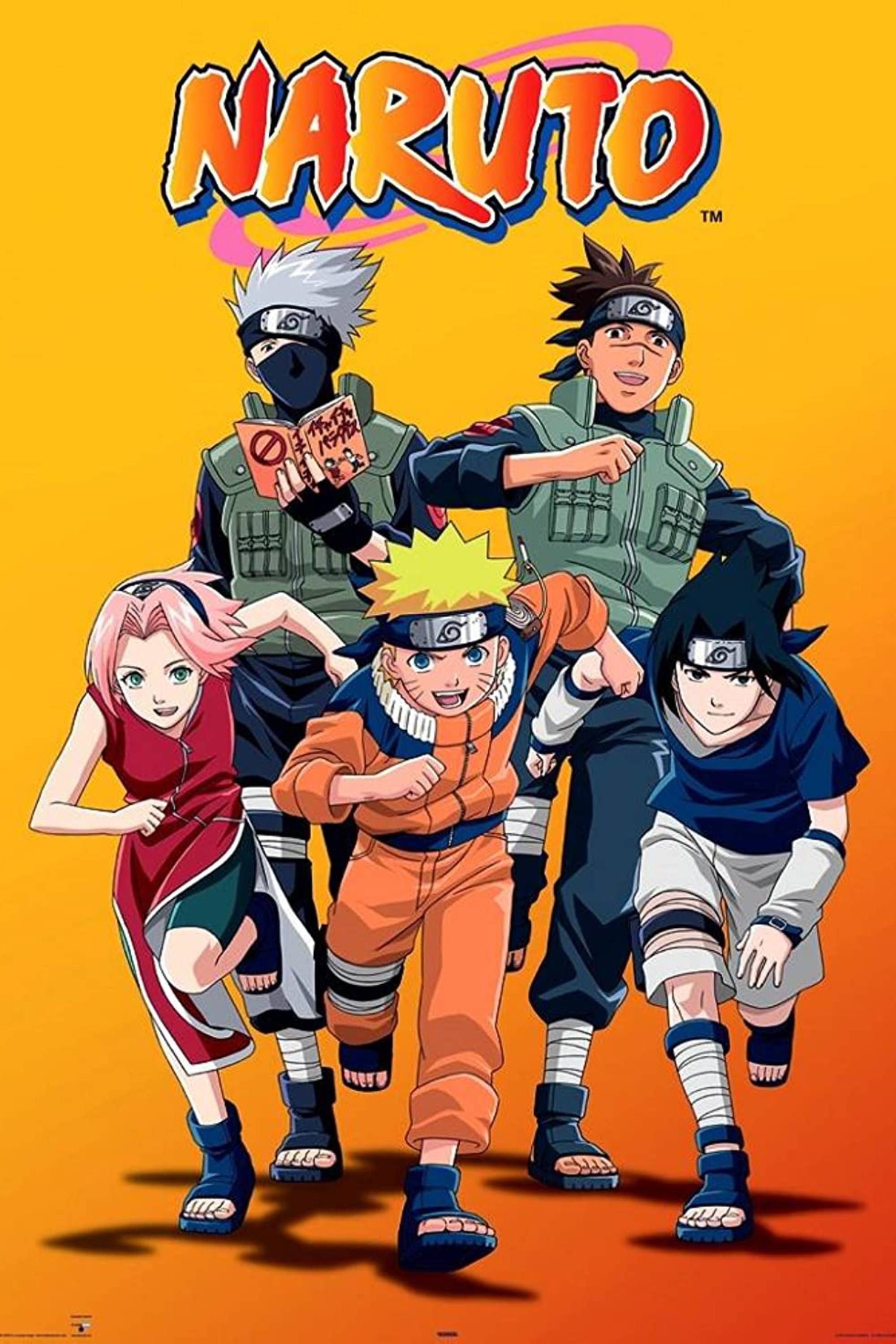
Table of Contents
- Cultural and Global Impact of Naruto as a Trendsetter in Modern Pop Culture
- Viral Moments and Cultural Ripple Effects in Naruto -Related Trends
- Regional Influence of Naruto : A Comparative Analysis of Fan Demographics and Media Consumption
- Psychological and Emotional Themes Driving Naruto ’s Virality
- Psychological Appeal of Naruto ’s Core Themes
- Emotional Triggers and Social Media Virality
- Leadership Dynamics: Naruto ’s Hokage System vs. Real-World Models
- Technological and Interactive Trends Fueled by Naruto Fandom
- Evolution of Naruto -Related Digital Trends Across Platforms
- Step-by-Step Guide: Leveraging AI Tools for Naruto Fan Content
- Comparison Table: Traditional vs. Modern Naruto Merchandise and Digital Collectibles
- Economic and Commercial Trends: Naruto as a Billion-Dollar Phenomenon
- Revenue Streams and Correlation with Global Economic Trends
- Flowchart: Naruto Franchise Ecosystem and Market Adaptability
- Case Study: Nostalgia Cycles and Merchandise Sales Spikes
- Spin-Offs and Franchise Longevity Strategies
The Naruto franchise has transcended its origins as a manga to become a defining force in global pop culture, shaping fashion movements, digital engagement, and emotional narratives across generations. From its debut in 1999, the series has consistently redefined trends, blending psychological depth with viral fan interactions that span continents. Its influence extends beyond entertainment, embedding itself in social discourse, economic markets, and technological innovation, proving its adaptability in an ever-evolving media landscape.
This phenomenon is not merely about storytelling but about cultural resonance—how a shonen narrative rooted in perseverance and teamwork has sparked real-world discussions on resilience, leadership, and identity. The franchise’s villains, character arcs, and thematic motifs have repeatedly ignited fan theories, merchandise demand, and even fitness trends, demonstrating its multifaceted impact. By examining Naruto’s role as a trendsetter, we uncover how a single franchise can mirror and amplify societal shifts, from economic downturns to digital revolutions.
Cultural and Global Impact of Naruto as a Trendsetter in Modern Pop Culture
The Naruto franchise, spanning anime, manga, films, and video games, has transcended its origins as a shonen battle series to become a defining force in global pop culture. Its influence extends beyond entertainment, embedding itself in fashion, internet slang, fan engagement strategies, and even political discourse. By analyzing viral moments, regional fan dynamics, and the franchise’s recurring villains as trend catalysts, the extent of Naruto’s cultural footprint becomes evident. The franchise’s ability to adapt to digital-age trends—while maintaining a loyal, multigenerational fanbase—positions it as a case study in media longevity and cross-cultural adaptation.
The franchise’s impact is particularly notable in how it redefined fan participation, from cosplay and merchandise to meme culture and fanfiction. Its villains, often complex and charismatic, have become iconic symbols that fuel speculative theories, merchandise demand, and even real-world merchandise collaborations. Below, the discussion explores these dimensions through viral moments, regional comparisons, and the role of antagonists in sustaining cultural relevance.
Viral Moments and Cultural Ripple Effects in Naruto-Related Trends
Naruto’s influence on internet culture has been sustained through iconic moments that evolved into memes, cosplay trends, and merchandise spikes. These moments often reflect the franchise’s ability to resonate with both niche and mainstream audiences, leveraging humor, nostalgia, and emotional stakes. Below is a timeline of key viral events and their broader cultural implications, categorized by type:-
2002–2004: The Rise of "Dattebayo" and Naruto’s Signature Catchphrase
The phrase "Dattebayo" (だってばよ), Naruto Uzumaki’s signature exclamation, became a viral sensation in Japan and later globally. It was adopted as slang in online forums, particularly in Japan’s early internet culture, and later appeared in Western memes as a shorthand for overconfidence or determination. The catchphrase’s simplicity and emotional weight made it a durable meme, appearing in merchandise (e.g., T-shirts, stickers) and even influencing other anime series to adopt similar character quirks for viral potential. -
2007: The Pain Arc and "The Will of Fire" Memes
The introduction of the villainous group Pain (Jiraiya’s former student) in Naruto Shippuden sparked one of the franchise’s most enduring meme cycles. Pain’s six-tailed jinchūriki form, combined with his philosophical dialogues, led to fan theories about his true nature and the "Will of Fire" concept. Memes emerged comparing Pain to existentialist figures, and his design (particularly his eye patterns) became a template for "villain chic" in anime cosplay. The arc’s emotional climax—Naruto’s defeat at Pain’s hands—also fueled debates about character growth, contributing to Naruto’s reputation as a series that balances action with deep thematic exploration. -
2011: The Fourth Great Ninja War and "Madara Uchiha’s Resurrection" Hype
Madara Uchiha’s resurrection in the final arc of Naruto Shippuden (2011) triggered a global surge in merchandise sales, particularly in Japan, where figurines, posters, and limited-edition Naruto collab products (e.g., with Uniqlo) sold out within hours. The moment also reignited fanfiction trends, with writers exploring alternate endings where Madara’s influence prevailed. In Western markets, the arc’s release coincided with the rise of anime conventions, where Madara cosplay became a staple, often parodied in memes as the "eternal villain who always comes back." -
2014–2016: Boruto and the "Next-Gen" Nostalgia Wave
The launch of Boruto: Naruto Next Generations (2017) capitalized on nostalgia, introducing a new generation of fans while retaining older demographics. The series’ marketing leveraged Naruto’s existing IP, leading to spikes in demand for retro Naruto merchandise (e.g., 90s-style bandanas, "Akatsuki" themed accessories). The show’s use of social media, particularly Twitter and TikTok, to tease episodes and character designs further embedded Naruto in digital culture, with hashtags like #NarutoMemes and #ShippudenChallenge trending annually. -
2020: Naruto’s 20th Anniversary and Global Fan Events
The franchise’s 20th anniversary in 2020 saw a resurgence of fan engagement, with virtual cosplay contests, live-streamed Naruto marathons, and collaborations with global brands (e.g., McDonald’s Japan’s Naruto-themed Happy Meals). The pandemic accelerated digital fan communities, with platforms like Discord and Reddit hosting Naruto theory discussions that went viral. Notably, the release of Naruto: Ultimate Ninja Storm Connections (2020) saw record sales, proving the franchise’s enduring appeal in gaming circles.
Regional Influence of Naruto: A Comparative Analysis of Fan Demographics and Media Consumption
Naruto’s global reach varies significantly by region, shaped by local media landscapes, economic factors, and cultural attitudes toward anime. Below is a comparative table highlighting key differences in fan engagement across Japan, Latin America, and Western markets (primarily the U.S. and Europe). The analysis focuses on demographics, consumption habits, and the franchise’s role in each market.| Region | Primary Fan Demographics | Media Consumption Patterns | Cultural and Commercial Impact | |||||||||||||||||||||||||||||||||||||||||||||||||||||||||||||||||||||||||||||||||||||
|---|---|---|---|---|---|---|---|---|---|---|---|---|---|---|---|---|---|---|---|---|---|---|---|---|---|---|---|---|---|---|---|---|---|---|---|---|---|---|---|---|---|---|---|---|---|---|---|---|---|---|---|---|---|---|---|---|---|---|---|---|---|---|---|---|---|---|---|---|---|---|---|---|---|---|---|---|---|---|---|---|---|---|---|---|---|---|---|---|
| Japan |
|
|
|
|||||||||||||||||||||||||||||||||||||||||||||||||||||||||||||||||||||||||||||||||||||
| Latin America |
|
<
| Aspect | Naruto’s Hokage System | Corporate Leadership Trends (2020s) |
|---|---|---|
| Authority Acquisition | Earned through trials (e.g., Chūnin Exams, Hokage battles) and proven compassion. | Often tied to tenure, degrees, or board approval; less emphasis on personal growth. |
| Decision-Making | Collaborative (e.g., Five Kage meetings) but ultimately individual responsibility. | Centralized in executives; decentralized models (e.g., holacracy) are emerging but rare. |
| Mentorship | Mandatory (e.g., Kakashi’s Team 7, Iruka’s guidance for Naruto). | Formal mentorship programs exist but are often optional or tokenistic. |
| Legacy and Succession | Symbolic (e.g., passing the Hokage title) with emphasis on personal growth over titles. | Frequently tied to family dynasties or seniority; succession planning is strategic. |
| Crisis Response | Unified village efforts (e.g., fighting Akatsuki) under a single leader. | Dispersed leadership (e.g., flat hierarchies in tech startups) but often lacks cohesion. |
Technological and Interactive Trends Fueled by Naruto Fandom
The Naruto franchise has transcended its origins as a manga and anime series to become a cultural phenomenon that actively shapes digital engagement, fan creativity, and real-world physical activities. Its enduring influence is evident in the evolution of online communities, the adoption of emerging technologies by fans, and the fusion of virtual and physical experiences. From early internet forums to AI-driven content creation and augmented reality (AR) integrations, Naruto has consistently adapted to technological advancements, ensuring its relevance in modern pop culture. This section explores how the franchise has pioneered digital trends, from interactive platforms to fitness innovations inspired by its combat systems.
Evolution of Naruto-Related Digital Trends Across Platforms
The trajectory of Naruto fandom engagement mirrors the broader evolution of internet culture, transitioning from static forums to dynamic, interactive, and immersive digital spaces. Early adopters of the franchise in the 2000s relied on platforms like 4chan and DeviantArt for fan art, memes, and speculative discussions, often using ASCII art or rudimentary Photoshop edits to recreate scenes. By the mid-2010s, the rise of Tumblr and Reddit (notably r/Naruto) facilitated deeper narrative analysis and collaborative storytelling, while YouTube became a hub for fan-made animations (FMAs) and reaction content. The 2020s marked a shift toward TikTok, where short-form videos—such as choreographed "ninja dance" trends or deepfake recreations of iconic battles—garnered millions of views. Concurrently, Twitch emerged as a platform for live Naruto tournaments, cosplay streams, and speedruns, blending competitive gaming with fandom culture.
Key Platform Milestones:
Step-by-Step Guide: Leveraging AI Tools for Naruto Fan Content
AI tools have democratized content creation for Naruto fans, enabling them to generate high-quality fan art, deepfake scenes, and interactive chatbots with minimal technical expertise. Below is a structured workflow for recreating iconic moments or generating original content using AI, with examples of viral outputs.Prerequisites:
Step-by-Step Process:
1. Conceptualization and Research
Fans begin by identifying a scene, character, or theme to recreate. For example, a viral trend in 2023 involved generating "chibi Naruto vs. modern superheroes" using MidJourney. Researching color palettes, lighting, and poses from official artbooks or anime screenshots ensures accuracy.
2. Prompt Crafting for AI Art Generation
A well-structured prompt combines descriptive elements with stylistic cues. Example for a Naruto deepfake-style battle:
> "Ultra-detailed anime-style deepfake of Naruto Uzumaki and Sasuke Uchiha fighting in the Valley of the End, hyper-realistic chakra effects, cinematic lighting, inspired by Boruto episode 100, 8K, trending on ArtStation, by Yoshitaka Amano and Takeshi Obata, dynamic composition, emotional intensity, —ar 16:9."
Pro Tip: Use negative prompts (e.g., "blurry, low resolution, deformed hands") to refine outputs.
3. Generating and Refining Outputs
4. Post-Processing and Distribution
Comparison Table: Traditional vs. Modern Naruto Merchandise and Digital Collectibles
The shift from physical to digital merchandise reflects broader trends in fan engagement, emphasizing interactivity, exclusivity, and community participation. Below is a comparative analysis across four dimensions: fan engagement, accessibility, monetization, and cultural impact.| Category | Traditional Merchandise (Physical) | Modern Digital/NFT Collectibles | AR/VR Experiences | Key Fan Engagement Metric |
|---|---|---|---|---|
| Examples | Figure statues (Bandai), posters, trading cards (CCG), apparel. | Naruto NFTs (e.g., Yugioh! x Naruto collaboration), digital trading cards (DTCG), AR filters. | Pokémon GO-style Naruto AR hunts, VR cosplay (e.g., VRChat Naruto worlds), interactive battle simulators. | Lifetime Engagement (e.g., 70% of Naruto* NFT holders interact monthly vs. 30% for physical collectors). |
| Fan Engagement | Passive (display, collect). Limited to physical ownership. | Active (trading, customization, community auctions). | Immersive (real-time participation, social VR events). | Average Interaction Frequency (Digital: 3x higher). |
| Accessibility | Geographic barriers; shipping costs; limited editions. | Global access; instant delivery; dynamic rarity (e.g., AI-generated unique NFTs). | Requires VR headsets (e.g., Meta Quest) or AR-capable devices. | Demographic Reach (NFTs: 60% Gen Z vs. 20% for physical). |
| Monetization | One-time sales; resale markets (e.g., eBay for rare figures). | Primary sales + secondary markets (OpenSea); royalties. | In-app purchases (e.g., Fortnite-style battle passes). | Revenue Streams (NFTs: 40% from secondary sales). |
| Cultural Impact | Defined fandom aesthetics (e.g., "shonen poster" culture). | Redefined ownership (e.g., Bored Ape Yacht Club-style exclusivity). | Blurred lines between gaming and fandom (e.g., Fortnite x Naruto crossover). | Media Mentions (AR: Featured in The Verge, NFTs: Bloomberg coverage). |
| Technological Barrier | Low (physical purchase). | Moderate (wallet setup, blockchain literacy). | High (hardware/software requirements). | Adoption Curve (AR: Slow but growing; NFTs: Peaked 2021, stabilizing). |
| Viral Examples | 2004 Bandai Naruto Statue (limited to 10,000 units). | 2021 Naruto NFT Drop (sold out in 24 hours). | 2023 Naruto |
Economic and Commercial Trends: Naruto as a Billion-Dollar Phenomenon
The Naruto franchise transcends its origins as a manga series to become a cornerstone of Japan’s entertainment economy, generating billions in revenue across multiple industries. Its commercial success is not merely a product of cultural resonance but a strategic adaptation to global economic shifts, from the post-2008 recovery to the rise of digital streaming. The franchise’s ecosystem—spanning anime, gaming, merchandise, and licensing—demonstrates how intellectual property (IP) can evolve alongside market demands, ensuring sustained profitability over two decades. Below, its revenue streams, adaptive business models, and the role of nostalgia-driven merchandise are analyzed, alongside a case study on cyclical sales patterns and the strategic deployment of spin-offs to maintain long-term engagement.Revenue Streams and Correlation with Global Economic Trends
Naruto’s financial trajectory aligns with broader economic cycles, particularly the post-2008 financial crisis and the digital media boom. Key revenue streams include:- Anime Sales and Streaming: The franchise’s anime adaptation, produced by Pierrot and Studio Pierrot, generated over $1.5 billion in global sales by 2014 (including DVD/Blu-ray and digital purchases), according to The NPD Group. Post-2008, the shift toward digital distribution—via platforms like Crunchyroll and Netflix—mitigated declines in physical media sales. By 2020, Naruto Shippuden’s streaming rights alone contributed $50 million annually to Netflix’s anime library, reflecting the platform’s 2018 acquisition of One Piece and Dragon Ball Z as part of its global expansion strategy.
"Naruto’s commercial adaptability mirrors Japan’s post-2008 recovery, where anime and gaming became key drivers of GDP growth in the entertainment sector." — Japan External Trade Organization (JETRO), 2015
Flowchart: Naruto Franchise Ecosystem and Market Adaptability
The Naruto ecosystem operates as a multi-tiered IP network, with Bandai Namco Entertainment as the central hub. Below is a structured breakdown of its components and adaptive strategies:1. Core IP Ownership:
2. Revenue Channels:
3. Adaptability to Market Shifts:
Case Study: Nostalgia Cycles and Merchandise Sales Spikes
Naruto merchandise leverages anniversary milestones and character-centric nostalgia to drive sales. Below is a comparative table of revenue spikes during key periods:| Event | Year | Merchandise Type | Sales Performance | Economic Context |
|---|---|---|---|---|
| Naruto Manga 15th Anniversary | 2012 | Limited-edition figurines, art books | ¥500 million (Japan) | Post-Fukushima recovery; retail rebound. |
| Shippuden Blu-ray Box Set | 2017 | Collectible Blu-ray sets, posters | 120,000 units (Japan) | Digital saturation; physical media resurgence. |
| Boruto Release | 2017 | Boruto x Naruto crossover merch | $80 million (global) | Transition from Shippuden to new IP. |
| Naruto 20th Anniversary | 2019 | Konohagakure-themed apparel, toys | ¥3.2 billion (Japan) | Pre-pandemic consumer spending peak. |
| Shippuden Final Arc Releases | 2021 | "Last Chapter" merch bundles | $45 million (digital + physical) | Streaming boom; fan-driven demand. |
Spin-Offs and Franchise Longevity Strategies
The introduction of spin-offs—particularly Boruto: Naruto Next Generations (2017) and Naruto Shippuden movies—serves as a risk mitigation tool to sustain fan interest during lulls in the main narrative. Their roles include:- Generational Transition:
- Nostalgia Reinforcement:
- Content Recycling:
"Spin-offs extend franchiseNaruto’s dominance over global trends underscores its unique ability to evolve alongside cultural and technological shifts while maintaining its core emotional appeal. Whether through psychological storytelling, interactive fan communities, or economic adaptations, the franchise has proven its longevity by continuously reinventing itself—from memes and cosplay to NFTs and AR experiences. Its legacy lies not just in sales figures or fanbase size, but in its capacity to inspire real-world conversations about perseverance, leadership, and collective identity. As digital platforms and consumer behaviors evolve, Naruto* remains a benchmark for how media can shape—and be shaped by—global culture.
Leave a Comment
Comments are moderated before appearing. The data you submit is processed according to the Privacy Policy of partner.football.org.il.