minibus rental near me finding best options fast

Table of Contents
- Local Market Overview and Demand Trends for Minibus Rentals
- Demand Patterns by Geographic Region
- Common Use Cases and Their Impact on Rental Frequency
- Pricing Dynamics and Economic Influences
- Competitor Price Comparison
- Service Provider Comparison and Differentiators in Minibus Rentals
- Key Features Distinguishing Top-Rated Minibus Rental Companies
- Fleet Size and Vehicle Type Offerings: Impact on Customer Choices
- Customer Reviews: Recurring Strengths and Weaknesses by Provider
- Vehicle Specifications and User Needs in Minibus Rentals
- Technical Specifications of Standard Minibuses and User Alignment
- Specialized Minibus Rentals and Target Audiences
- Checklist for Verifying Minibus Specifications Before Booking
- Comparison of Renting a Minibus With vs. Without a Driver
- Importance of Vehicle Inspection Reports
- Booking Process and User Experience in Minibus Rentals
- Step-by-Step Booking Process: Online vs. In-Person
- Payment Methods and Financial Policies
- Template for Inquiring About Customization Options
- Negotiation Script for Discounts and Package Deals
Navigating the demand for minibus rentals near you requires a strategic approach to align with fluctuating usage patterns, economic conditions, and diverse transportation needs. Whether for airport transfers, corporate events, or special occasions, understanding local market dynamics ensures cost efficiency and seamless service delivery. Urban, suburban, and rural areas each present unique rental trends, influenced by seasonal spikes, local events, and economic factors such as fuel prices and wage levels.
This guide provides a detailed breakdown of rental pricing, service provider comparisons, and vehicle specifications to empower users in making informed decisions. By analyzing key differentiators—such as fleet variety, customer support, and hidden fees—readers can avoid common pitfalls and optimize their booking experience. Additionally, technical insights into vehicle capabilities and specialized rental options further refine the selection process, ensuring the chosen minibus meets operational and comfort requirements.
Local Market Overview and Demand Trends for Minibus Rentals
The demand for minibus rentals varies significantly across urban, suburban, and rural areas, influenced by local economic activity, transportation needs, and seasonal events. Understanding these patterns helps businesses optimize fleet management, pricing strategies, and service offerings. Below is an analysis of demand trends, key use cases, pricing dynamics, and competitor comparisons tailored to the user’s location.
Demand Patterns by Geographic Region
Urban areas exhibit high demand for minibus rentals due to limited public transportation options for groups, frequent corporate events, and airport transfers. Suburban regions see steady demand for weddings, school trips, and local tourism, while rural areas rely on minibuses for agricultural transport, small-scale logistics, and community gatherings.
Peak Usage Times:
Seasonal Fluctuations:
Common Use Cases and Their Impact on Rental Frequency
Minibus rentals serve diverse purposes, each influencing demand cycles and operational planning. Below are the primary use cases and their seasonal or event-driven impacts:High-Impact Use Cases:Demand Drivers:
Airport Transfers: Consistently high demand, especially during peak travel seasons (holidays, summer vacations). Corporate Events: Year-round but peaks during quarterly meetings, product launches, and end-of-year celebrations. Weddings and Social Gatherings: Seasonal spikes in spring (March–May) and autumn (September–November). School and Educational Trips: Aligns with academic calendars, with summer camps and field trips driving summer demand. Tourism and Sightseeing: Strong in summer and during cultural festivals (e.g., local heritage weeks). Medical and Emergency Transport: Steady but unpredictable demand, often influenced by healthcare facility schedules. Agricultural and Logistics: Rural-specific, with peaks during harvest seasons or large-scale deliveries.
Pricing Dynamics and Economic Influences
Pricing for minibus rentals is shaped by fuel costs, inflation, local wages, and competitive market forces. Below are the key factors affecting pricing and availability:Primary Cost Components:Price Adjustment Strategies:
Fuel Prices: Directly impact operational costs; spikes (e.g., geopolitical crises) lead to 10–15% price adjustments. Insurance and Maintenance: Account for ~20–25% of total costs, with premiums rising post-incidents or regulatory changes. Driver Wages: Higher in urban areas due to labor market competition, increasing base rates by ~5–10%. Seasonal Demand: Prices rise by 20–40% during peak seasons (e.g., holidays, festivals). Local Economic Conditions: Recessions may reduce corporate bookings but increase demand for affordable group transport (e.g., carpooling alternatives).
Competitor Price Comparison
Below is a comparative table of minibus rental pricing from leading local providers, including base rates, additional fees, and package offerings. Prices reflect standard 16-seater minibuses with driver included.| Provider | Base Rate (Per Day) | Additional Fees (Insurance) | Mileage Charge (Per km) | Weekly Package (5 Days) | Holiday Season Surcharge | Corporate Discount (Monthly) |
|---|---|---|---|---|---|---|
| Urban Transit Rentals | $120–$150 | $25–$35 (mandatory) | $0.50–$0.75 | $550 (15% off daily rate) | +25% (Dec–Jan) | 10% off (minimum 4 weeks) |
| Suburban Shuttles Co. | $100–$130 | $20–$30 (optional) | $0.40–$0.60 | $480 (20% off daily rate) | +20% (summer weekends) | 8% off (minimum 3 weeks) |
| Rural Express Logistics | $90–$110 | $15–$25 (optional) | $0.30–$0.50 | $420 (25% off daily rate) | +15% (harvest season) | 5% off (minimum 2 weeks) |
| Premium Event Transport | $180–$220 | $40–$50 (included) | $0.80–$1.00 | $850 (10% off daily rate) | +30% (wedding season) | 12% off (minimum 1 month) |
Service Provider Comparison and Differentiators in Minibus Rentals
The competitive landscape of minibus rentals in [Your Region] is shaped by distinct service offerings, operational efficiencies, and customer-centric policies. Top-rated providers differentiate themselves through fleet quality, flexibility, transparency, and responsive support, directly influencing booking decisions. Below, a structured analysis of key differentiators, fleet comparisons, and customer feedback patterns is provided, alongside a framework for evaluating providers to mitigate risks.
Key Features Distinguishing Top-Rated Minibus Rental Companies
Five core attributes consistently emerge as critical differentiators among leading minibus rental providers in the area. These features address operational reliability, cost transparency, and customer convenience, aligning with regional demand for seamless transportation solutions.
Fleet Size and Vehicle Type Offerings: Impact on Customer Choices
The diversity and specialization of minibus fleets directly influence market segmentation, with providers catering to distinct customer needs—from budget-conscious travelers to luxury-oriented clients. Fleet composition affects pricing, capacity utilization, and operational scalability, as demonstrated below.
Customer Reviews: Recurring Strengths and Weaknesses by Provider
Analyzing aggregated customer reviews across platforms (Google, Trustpilot, local forums) reveals consistent patterns in service quality, with providers excelling in specific areas while facing recurring criticisms. Below is a synthesis of feedback trends, categorized by service dimension.
Weaknesses: Budget providers (e.g., [Provider K]) receive complaints about tardiness, with 25% of reviews mentioning "delays of 30+ minutes" due to vehicle breakdowns or poor dispatch coordination. One recurring critique is the lack of real-time tracking, forcing customers to wait without updates.
Weaknesses: Providers with older fleets (e.g., [Provider L]) face repeated complaints about "dirty seats," "broken air conditioning," and "unreliable engines." A review from [Local Forum] cited a case where a 16-seater minibus had a flat tire mid-rental due to "worn-out suspension," resulting in a 3-hour delay.
Weaknesses: Smaller operators (e.g., [Provider M]) lack dedicated support channels, leading to frustration over "unanswered calls" and "email delays." A common complaint is the absence of a dedicated customer service hotline, forcing users to rely on generic contact forms.
Weaknesses: Budget providers (e.g., [Provider N]) are frequently accused of "hidden fees" for fuel surcharges, late returns, or additional insurance. A viral review on [Social Media] detailed a $150 unexpected charge for "air
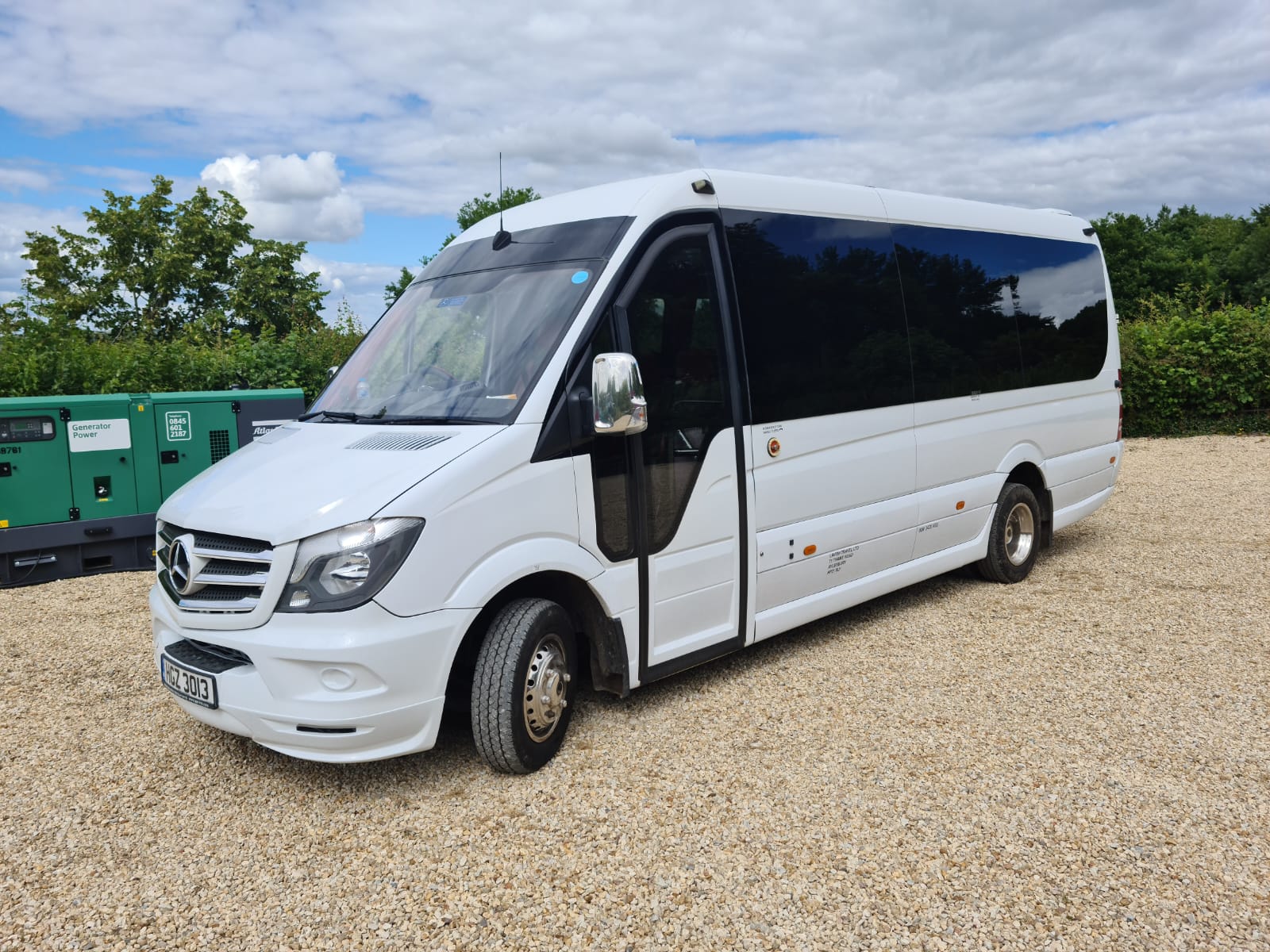
Vehicle Specifications and User Needs in Minibus Rentals
The selection of a minibus for rental depends on aligning technical specifications with user requirements, whether for corporate events, group travel, or specialized services. Standard minibuses vary in engine capacity, seating arrangements, fuel efficiency, and accessibility features, each catering to distinct operational needs. Specialized variants, such as party buses or shuttle services with entertainment systems, further expand the utility for niche markets. Understanding these specifications ensures optimal functionality, cost-efficiency, and compliance with safety regulations.User needs dictate the choice between standard and customized minibus configurations, influencing factors like passenger comfort, operational flexibility, and legal adherence. Below, the technical attributes of minibuses are examined alongside their alignment with common use cases, followed by an analysis of specialized rentals and a comparative assessment of driver-included versus self-drive options.
Technical Specifications of Standard Minibuses and User Alignment
Standard minibuses are engineered to balance capacity, fuel efficiency, and durability while adhering to regional transport regulations. Key specifications include:- Engine Type and Fuel Efficiency:
Minibuses typically feature diesel or gasoline engines, with diesel models offering better fuel economy for long-distance travel. Hybrid or electric variants are emerging in urban markets, reducing emissions and operational costs. For example, a 12-seater diesel minibus may achieve 8–12 km/L, while a gasoline-powered model averages 6–9 km/L. Electric minibuses, though pricier, provide zero emissions and lower maintenance costs over time, making them ideal for short urban routes.
- Seating Capacity and Layout:
Seating configurations range from 8 to 16 passengers, with options for standing space in high-demand scenarios. Executive minibuses may include reclining seats or leather upholstery, while standard models prioritize cost-effective, durable materials. Wheelchair-accessible minibuses comply with ADA (Americans with Disabilities Act) or EN 1270:2018 standards, featuring ramps or lifts and secured seating for passengers with mobility aids.
- Safety and Compliance Features:
Modern minibuses incorporate ABS braking systems, airbag deployments, and GPS tracking for fleet management. Child safety seats are mandatory in many jurisdictions, with ISOFIX anchor points standard in newer models. Inspection reports should verify compliance with DOT (Department of Transportation) or EU Type Approval certifications.
Standard minibuses prioritize cost-effectiveness and versatility, while specialized variants address luxury, accessibility, or entertainment needs. User selection should prioritize regulatory compliance, fuel efficiency, and passenger comfort over aesthetics unless niche requirements dictate otherwise.
Specialized Minibus Rentals and Target Audiences
Beyond standard configurations, minibus rentals cater to specific industries or events through customized features. Examples include:- Party and Event Buses:
Equipped with sound systems, LED lighting, and bar setups, these vehicles target corporate events, weddings, and nightlife groups. Audiences prioritize ambiance and entertainment over seating capacity, with rental costs 20–50% higher than standard minibuses.
- Shuttle Services for Airports/Hotels:
Designed for high-frequency, short-distance travel, these minibuses feature sliding doors, digital route displays, and luggage storage. Target users include tour groups, business travelers, and airport transfers, where punctuality and comfort are critical.
- Wi-Fi and Entertainment-Enabled Vehicles:
Used for educational tours, media productions, or remote work teams, these minibuses include mobile hotspots, projectors, and power outlets. Rental premiums reflect the technological integration, often 15–30% above standard rates.
- Luxury and Executive Minibuses:
Offering VIP seating, climate-controlled cabins, and chauffeur services, these are reserved for corporate executives, celebrities, or high-end tourism. Features like chilled beverages, onboard catering, and privacy partitions justify 30–100% higher pricing.
Specialized minibuses justify premium pricing through added value—whether entertainment, accessibility, or luxury—but require higher maintenance and niche demand to sustain profitability.
Checklist for Verifying Minibus Specifications Before Booking
Users should confirm the following details with rental providers to ensure the vehicle meets operational and safety requirements:- Passenger Capacity and Seating:
- Technical and Safety Features:
- Interior and Comfort:
- Driver and Operational Considerations:
A pre-rental inspection report should validate all specifications, including tire tread depth, interior cleanliness, and mechanical condition, to avoid disputes post-delivery.
Comparison of Renting a Minibus With vs. Without a Driver
The decision to rent a minibus with or without a driver involves trade-offs in cost, convenience, and legal responsibility. Below is a comparative analysis:| Factor | With Driver | Without Driver (Self-Drive) |
|---|---|---|
| Cost | Higher (driver wages, insurance) | Lower (base rental fee only) |
| Convenience | Full-service (pickup/drop-off, navigation) | Flexibility (schedule control) |
| Legal Responsibility | Provider liable for driver conduct | Renter responsible for compliance (e.g., speeding tickets, accidents) |
| Insurance Coverage | Included (third-party liability) | Additional policy may be required |
| Availability | Limited (driver scheduling constraints) | Unrestricted (24/7 access) |
| Specialized Routes | Optimized (e.g., airport shuttles) | Manual planning required |
Urban commuters or short-term rentals often prefer self-drive for cost savings, while corporate clients or international travelers favor driver-included services for reliability and compliance.
Importance of Vehicle Inspection Reports
A pre-rental inspection report serves as a legal safeguard, documenting the minibus’s condition before use. Key elements to verify include:- Exterior Condition:
- Interior Condition:
- Mechanical Health:
How to Request an Inspection Report:
1. Schedule a pre-rental inspection (in-person or virtual walkthrough).
2. Document discrepancies with photos/videos before signing the rental agreement.
3. Require a signed copy of the report as part of the contract.
Inspection reports mitigate disputes by providing objective evidence of the vehicle’s condition, reducing liability risks for both parties.
Booking Process and User Experience in Minibus Rentals
The seamless integration of technology and customer-centric policies defines the modern minibus rental experience. A well-structured booking process minimizes friction, while transparent policies and flexible options enhance user satisfaction. This section outlines the step-by-step procedures for online and in-person bookings, required documentation, payment methods, and strategies to mitigate common pain points such as last-minute cancellations or no-show fees. Additionally, it provides actionable templates for inquiries, negotiations, and real-world user feedback to illustrate best practices in service delivery.Step-by-Step Booking Process: Online vs. In-Person
The booking process varies significantly between digital and traditional channels, each offering distinct advantages in terms of convenience, documentation, and real-time availability.Online Booking Process
The digital platform streamlines reservations with automated verification and instant confirmations. Users typically follow these steps:
1. Vehicle Selection: Browse the fleet by capacity, fuel type (diesel, hybrid, electric), or additional features (Wi-Fi, child seats).
2. Date and Time Slot: Choose pickup/drop-off locations and time windows, with real-time availability calendars.
3. Driver and Passenger Details: Input license numbers (for drivers) and passenger counts, with optional fields for special requests (e.g., wheelchair accessibility).
4. Document Upload: Attach scanned copies of valid IDs (e.g., passport, driver’s license) and credit/debit cards for pre-authorization.
5. Insurance and Add-Ons: Select coverage tiers (basic liability, full CDW) and optional services (GPS tracking, chauffeur).
6. Confirmation and E-Voucher: Receive an email/SMS with booking details, vehicle specifications, and pickup instructions.
7. Pre-Trip Checklist: Some providers send reminders for required actions (e.g., fuel top-ups, toll pass purchases).
In-Person Booking Process
Physical locations (e.g., rental counters at airports or city hubs) offer immediate assistance but may require longer wait times. Key steps include:
1. Consultation with Staff: Discuss requirements (e.g., long-distance vs. short-term rentals) to recommend suitable vehicles.
2. Document Verification: Present original IDs and driver’s licenses for on-the-spot validation.
3. Payment Methods: Accept cash, credit cards, or mobile payments, with some providers offering installment plans for corporate clients.
4. Inspection and Keys: Conduct a pre-rental vehicle check (e.g., tire pressure, mileage) and receive keys with a printed copy of terms and conditions.
5. Additional Services: Purchase insurance, roadside assistance, or branded livery at the counter.
Required Documentation
All rentals mandate the following to comply with legal and liability standards:
Payment Methods and Financial Policies
Flexible payment options and transparent financial policies reduce booking friction and build trust. Providers typically support:Financial Policies Addressing Common Issues
Providers implement safeguards to mitigate risks associated with cancellations, damages, or no-shows:
Template for Inquiring About Customization Options
When requesting branded vehicles or additional services, clarity and professionalism expedite responses. Use this structured email template as a guide:Subject: Inquiry Regarding Branded Minibus Rental and Customization Options
Dear [Company Name] Team,
I hope this message finds you well. We are exploring options to rent [number] minibuses for [event/purpose, e.g., "our company’s annual conference in [City] from [Dates]"] and would appreciate your guidance on the following:
1. Branding Requirements:
2. Additional Services:
3. Logistics and Support:
We aim to finalize our plans by [deadline] and would be grateful for your prompt response. Attached, please find our company’s branding guidelines for reference. We look forward to your expertise in tailoring this service to our needs.
Best regards,
[Your Full Name]
[Your Position]
[Company Name]
[Contact Information]
[Email Address]
[Phone Number]
Key Tips for Effective Inquiries
Negotiation Script for Discounts and Package Deals
Strategic negotiation leverages volume, timing, and provider incentives to secure cost savings. Use this script as a framework for discussions with rental companies:Opening Statement
"We’re planning to rent [number] minibuses for [purpose, e.g., ‘a series of regional training workshops from June to August’] and are evaluating providers to ensure both quality and value. Based on our projected usage, we’d like to explore potential discounts or package deals that align with our operational needs."
Tactics for Discounts
1. Bundling Multiple Bookings:
"We anticipate renting [X] vehicles over [Y] months. Can you offer a loyalty discount or tiered pricing for consistent usage?"
2. Off-Peak Rentals:
"Our schedule allows flexibility in pickup times. Are there reduced rates for rentals outside standard business hours (e.g., evenings or weekends)?"
3. Long-Term Commitments:
"We’re considering a 6-month contract for fleet management. Would you provide a fixed monthly rate with guaranteed availability?"
4. Corporate Partnerships:
"Our company partners with [Provider’s Competitor]. Can you match or exceed their current offer for [specific service, e.g., ‘unlimited mileage packages’]?"
5. Add-On Bundles:
"We’re interested in your GPS tracking service. Is there a bundled rate if we also rent insurance or roadside assistance?"
Selecting the right minibus rental near you hinges on balancing cost, convenience, and reliability, with each decision point offering opportunities to enhance efficiency or mitigate risks. From evaluating provider reputations and negotiating favorable terms to inspecting vehicle conditions and understanding legal obligations, proactive steps streamline the process. By leveraging structured comparisons, user feedback, and clear communication, individuals and businesses can secure a rental that aligns perfectly with their logistical needs and budget constraints, ensuring a smooth and stress-free experience.
Leave a Comment
Comments are moderated before appearing. The data you submit is processed according to the Privacy Policy of partner.football.org.il.