Miami Florida I Need Manage Essentials For Success
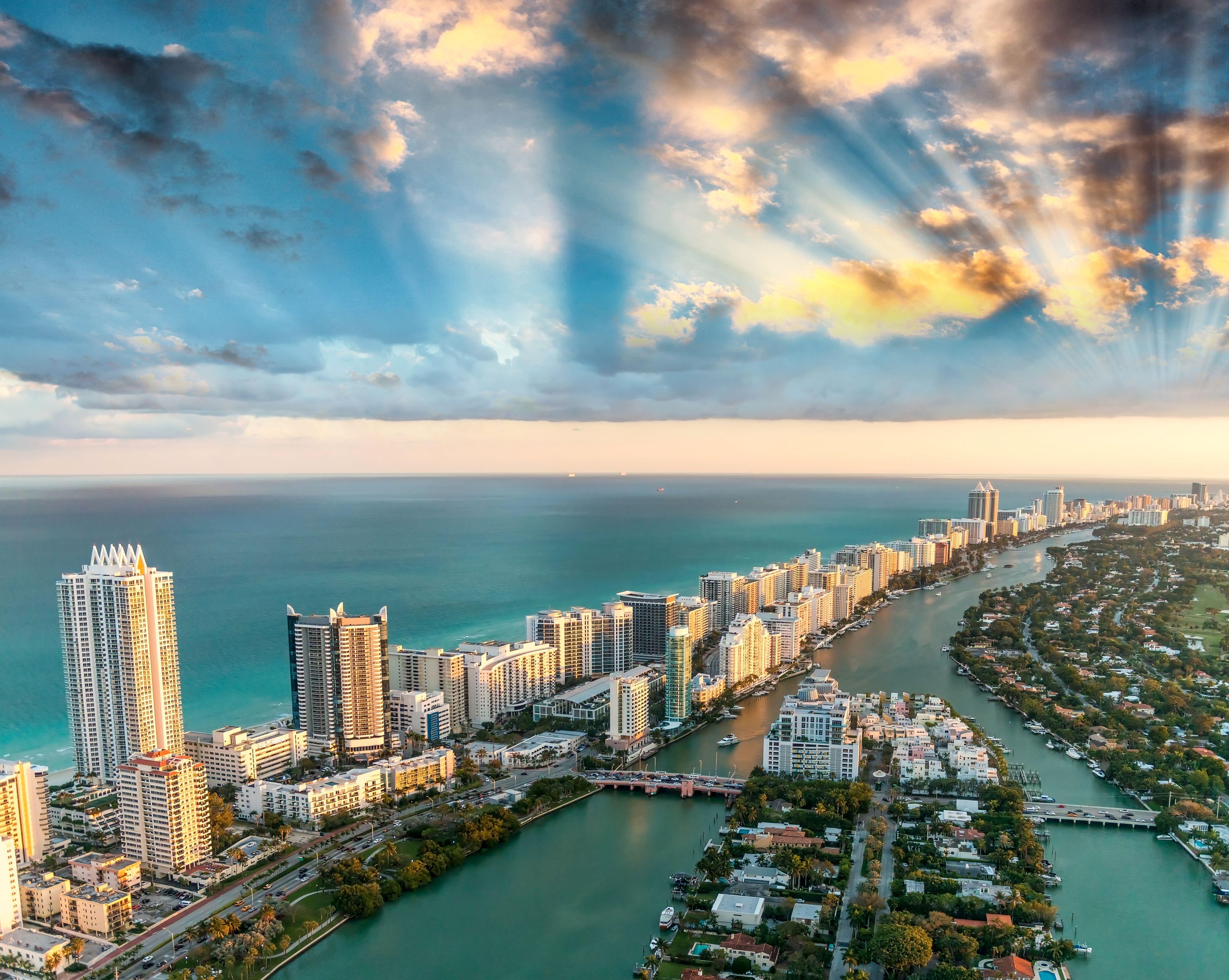
Table of Contents
- Local Business Management in Miami: Registration, Compliance, and Tax Obligations
- Steps to Register and Legally Operate a Small Business in Miami-Dade County
- Miami-Dade County Business Compliance Checklist
- Procedures for Securing a Business License in Miami-Dade County
- Comparative Table: Miami Business Tax Obligations for Retail vs. Service-Based Businesses
- Property and Real Estate Management in Miami
- Hiring and Contracting a Property Manager in Miami
- Legal Considerations for Short-Term Rentals in Miami
- Drafting a Miami-Compliant Rental Agreement
- Financial and Budgeting Strategies for Miami Residents
- Month-by-Month Budget Template for Miami Residents
- Tax-Saving Strategies Specific to Miami
- Community and Networking for Professional Growth in Miami
- Key Miami-Based Professional Networks and Their Membership Benefits
- Leveraging LinkedIn and Local Events to Build a Professional Reputation
- Tourism and Hospitality Management Insights in Miami
- Operational Workflow for Managing a Hospitality Business in Miami
- Seasonal Tourism Trends in Miami and Strategic Adjustments
- Customer Service Best Practices for Miami’s Diverse Tourist Demographic
- Permit and Licensing Process for Food Trucks, Event Venues, and Entertainment Businesses
- Emergency and Risk Management for Miami Properties
- Property Inspections and Pre-Hurricane Season Readiness
- Emergency Response Plan for Rental Properties
- Flood Mitigation Strategies for Miami Properties
- Comparison of Miami Insurance Providers for Property Risks
Navigating the dynamic landscape of Miami Florida requires a strategic approach to business, property, and financial management amid the city’s rapid growth and regulatory complexities. From securing permits for a new venture to optimizing real estate investments or adapting hospitality operations to seasonal tourism demands, effective management hinges on compliance, foresight, and community engagement. This guide consolidates actionable insights—spanning legal frameworks, financial planning, emergency preparedness, and networking—to empower stakeholders in Miami’s thriving economy.
The city’s unique challenges, such as hurricane resilience, tax obligations, and short-term rental regulations, demand tailored solutions. Whether you are a startup founder, property owner, or hospitality professional, understanding local nuances—from zoning laws to cultural service standards—is critical. By leveraging structured workflows, comparative analyses, and proactive risk mitigation, stakeholders can align operations with Miami’s opportunities while mitigating operational disruptions. This resource bridges gaps between regulatory requirements and practical execution, ensuring clarity at every step.
Local Business Management in Miami: Registration, Compliance, and Tax Obligations
Miami-Dade County presents a dynamic yet regulated environment for entrepreneurs, requiring adherence to state, county, and municipal business regulations. Establishing a legally compliant business involves structured steps, from registration and licensing to tax obligations and zoning adherence. This section provides a detailed breakdown of essential procedures, compliance checklists, and tax distinctions for retail and service-based businesses in Miami.
Steps to Register and Legally Operate a Small Business in Miami-Dade County
The process of legally establishing a business in Miami-Dade County involves multiple stages, including entity formation, tax registration, and local licensing. Below are the sequential steps required for compliance:
1. Choose a Business Structure
Businesses in Florida operate under one of several legal structures, each with distinct tax and liability implications. Common structures include:
2. Register with the Florida Division of Corporations
For LLCs and corporations, file formation documents with the Florida Department of State:
3. Obtain an Employer Identification Number (EIN)
Issued by the IRS, the EIN is required for tax purposes, hiring employees, and opening business bank accounts.
4. Register for Florida State Taxes
Businesses must register with the Florida Department of Revenue (DOR) for:
5. Obtain a Miami-Dade County Business Tax Receipt
All businesses operating in Miami-Dade County must register with the Miami-Dade County Tax Collector for:
6. Secure Local Permits and Licenses
Permits vary by industry but may include:
7. Comply with Federal and State Employment Regulations
Miami-Dade County Business Compliance Checklist
Adherence to local regulations ensures operational legality and avoids fines. Below is a structured checklist for compliance:Zoning and Land Use Compliance
Signage Regulations
Health and Safety Regulations
Tax and Financial Compliance
Industry-Specific Licenses
Procedures for Securing a Business License in Miami-Dade County
The business license application process varies by entity type and industry. Below are the detailed steps for sole proprietorships, LLCs, and corporations:Sole Proprietorships
Limited Liability Companies (LLCs)
Corporations
Documentation Required for All Entities
Comparative Table: Miami Business Tax Obligations for Retail vs. Service-Based Businesses
Tax obligations in Miami-Dade County differ significantly between retail and service-based businesses due to variations in sales tax applicability, property tax assessments, and industry-specific fees.| Tax Type |
|---|
| Category | Jan–Feb (Tourism Peak) | Jun–Jul (Hurricane Prep) | Sep–Oct (Post-Hurricane) | Dec (Holiday Season) |
|---|---|---|---|---|
| Rent (2BR, Coconut Grove) | $2,800 | $2,800 | $2,800 | $2,800 |
| Utilities (Electricity + Water) | $300 | $450 (AC surge) | $350 (repair costs) | $320 |
| Groceries | $600 | $650 | $700 (supply chain) | $750 (holiday groceries) |
| Dining/Entertainment | $800 | $500 | $400 | $1,000 |
| Hurricane Prep/Emergency | $0 | $1,200 (generator, supplies) | $300 (recovery) | $0 |
| Transportation | $400 | $400 | $450 (repairs) | $500 (travel) |
| Savings Allocation | $800 | $500 | $300 | $600 |
| Total Monthly Expenses | $6,100 | $6,400 | $6,000 | $6,970 |
Tax-Saving Strategies Specific to Miami
Miami offers unique tax incentives tied to property ownership, remote work, and sustainability. Leveraging these can reduce liabilities by 10–30% for eligible residents.1. Homestead Exemption and Property Tax Relief
Miami-Dade County provides homestead exemptions that lower property tax bills for primary residences:
Key Exemptions:
- General Homestead Exemption: Reduces assessed value by up to $50,000 (saving $750–$1,500/year on a $300,000 home).
- Save Our Homes (SOH) Cap: Limits annual property tax increases to 3% or the inflation rate (whichever is lower).
- Senior
Community and Networking for Professional Growth in Miami
Miami’s dynamic business and real estate sectors thrive on strong professional networks, collaborative initiatives, and strategic community engagement. Building a robust professional presence in Miami requires active participation in industry-specific organizations, leveraging digital platforms, and organizing high-impact local events. The city’s multicultural and entrepreneurial ecosystem offers unique opportunities for growth, particularly through chambers of commerce, co-working spaces, and strategic partnerships. Below are structured approaches to maximizing networking potential, organizing professional events, and replicating successful collaboration models in Miami.
Key Miami-Based Professional Networks and Their Membership Benefits
Miami’s professional landscape features specialized networks that cater to business owners, real estate developers, entrepreneurs, and industry professionals. Membership in these organizations provides access to exclusive resources, legal/financial guidance, and high-visibility networking opportunities. Below are curated lists of the most influential Miami-based networks, categorized by industry focus, along with their primary benefits.
- Greater Miami Chamber of Commerce (GMCC)
- Membership Benefits: Access to policy advocacy, business development tools, and networking events like the annual "Miami International Business Forum." The GMCC also offers tailored programs for startups, including the "Launch Miami" initiative, which connects entrepreneurs with investors and mentors.
- Industry Focus: Broad (business, real estate, tech, finance), with specialized committees for sectors like life sciences and international trade.
- Notable Feature: The "Chamber Mixer" series, held monthly in districts such as Brickell and Wynwood, fosters cross-industry connections.
- Miami-Dade Beacon Council
- Membership Benefits: Provides market intelligence reports on Miami-Dade County’s economic trends, trade missions to Latin America, and the "Beacon Council Business Expo" for B2B matchmaking.
- Industry Focus: International trade, manufacturing, and logistics, with a strong emphasis on Latin American markets.
- Notable Feature: The "Global Business Center" offers co-working spaces and incubation programs for startups.
- Miami Association of Realtors (MAR)
- Membership Benefits: Includes legal and compliance resources, such as the "MAR Legal Hotline," and exclusive access to off-market properties through the "MAR Select" program. Members also gain discounts on continuing education courses.
- Industry Focus: Real estate professionals, developers, and investors.
- Notable Feature: The "MAR Expo" annually attracts over 10,000 attendees, featuring workshops on emerging markets like Miami’s luxury condo sector.
- Miami Tech Alliance (MTA)
- Membership Benefits: Offers grants for tech startups, partnerships with universities like FIU and UM, and the "MTA Pitch Competition" with prize funds exceeding $100,000. Members receive access to the "Tech Hub Miami" co-working space in Downtown.
- Industry Focus: Technology, fintech, and cybersecurity.
- Notable Feature: Collaborates with the City of Miami on initiatives like "Smart City Miami," focusing on IoT and urban innovation.
- Miami Downtown Development Authority (DDA) Business Network
- Membership Benefits: Provides tax incentives for businesses locating in Downtown Miami, access to the "DDA Business Resource Center," and participation in the "Downtown Miami Business Expo." Members also influence urban planning decisions through the "Business Advisory Council."
- Industry Focus: Hospitality, retail, and corporate offices in Downtown Miami.
- Notable Feature: Hosts the "DDA Business After Hours" networking series, featuring guest speakers from global brands.
- Latin American Business Association (LAB)
- Membership Benefits: Facilitates cross-border business opportunities with Latin American markets, including trade shows like "LAB Expo Miami." Members receive cultural and legal training for expanding into regions like Colombia and Mexico.
- Industry Focus: International trade, import/export, and multicultural business development.
- Notable Feature: Partners with the U.S. Commercial Service to offer market research reports on Latin American economies.
Strategic Insight: Prioritize membership in networks aligned with your industry and growth goals. For example, real estate professionals should join MAR and the DDA, while tech founders benefit most from MTA and GMCC’s startup programs.Leveraging LinkedIn and Local Events to Build a Professional Reputation
Miami’s business community values visibility, thought leadership, and active engagement in both digital and physical spaces. LinkedIn serves as a critical platform for establishing authority, while local events—such as conferences, panel discussions, and industry meetups—provide opportunities for direct interaction. Below are actionable strategies to optimize LinkedIn presence and maximize event participation.
- Optimizing LinkedIn for Miami’s Business and Real Estate Sectors
- Profile Customization:
- Use a professional headshot and background image featuring Miami landmarks (e.g., Brickell skyline, Art Deco district) to signal local relevance.
- Include keywords such as "Miami real estate developer," "Brickell luxury condo specialist," or "Miami tech entrepreneur" in the headline and "About" section to improve search visibility.
- Add a custom LinkedIn banner highlighting achievements (e.g., "Featured in Miami Herald for $50M Development in Wynwood").
- Content Strategy:
- Publish industry-specific insights, such as market trend analyses (e.g., "Miami’s Rental Market Recovery in 2024") or case studies (e.g., "How a Miami-Based Fintech Scaled with Local Investors").
- Engage with local influencers by commenting on posts from figures like George Barros (Miami real estate developer) or Don Peebles (tech entrepreneur) to increase visibility.
- Join and contribute to LinkedIn groups such as:
- "Miami Real Estate Investors Network" (15K+ members)
- "Miami Business Leaders" (20K+ members)
- "South Florida Tech & Startup Community" (8K+ members)
- Networking Automation:
- Use LinkedIn’s "Open to Work" feature with a note specifying "Miami-based opportunities" to attract recruiters and investors.
- Send personalized connection requests to Miami-based professionals with a note referencing a shared interest (e.g., "Saw your work on the Miami New Times list of top developers—would love to connect.").
- Strategic Event Participation in Miami
- Target High-Impact Events:
- Real Estate: "Miami International Real Estate Conference" (annual, organized by MAR), "Brickell Key Real Estate Expo."
- Business & Tech: "Miami Tech Week" (hosted by MTA), "South by Southwest (SXSW) Miami" for cross-industry innovation.
- Multicultural Business: "LAB Expo Miami," "Hispanic Business Expo."
- Event Engagement Tactics:
- Arrive early to secure prime networking spots (e.g., near speaker podiums or sponsor booths).
- Prepare a concise elevator pitch that highlights Miami-specific achievements (e.g., "We recently closed a $30M deal in Little Havana’s adaptive reuse sector").
- Follow up within 48 hours via LinkedIn or email with a reference to a discussion topic from the event (e.g., "Great talking about Miami’s short-term rental regulations—here’s a whitepaper on compliance strategies.").
- Hosting or Sponsoring Events:
- Partner with local venues like The Standard Hotel (Brickell) or Wyn
Tourism and Hospitality Management Insights in Miami
Miami’s tourism and hospitality sector thrives on its global appeal, cultural diversity, and year-round attractions, making it essential for businesses to align operations with seasonal demand, regulatory compliance, and guest expectations. Effective management in this dynamic environment requires a structured approach to staffing, service delivery, and adaptive strategies that account for Miami’s fluctuating visitor trends. Below are operational frameworks and compliance protocols tailored to the region’s unique hospitality landscape.
Operational Workflow for Managing a Hospitality Business in Miami
The workflow for hospitality businesses in Miami integrates staffing optimization, standardized service protocols, and adherence to tourism board guidelines to ensure operational efficiency and guest satisfaction. Key components include:Staffing and Training
Miami’s hospitality workforce must be trained to handle high-volume periods while maintaining service consistency. Roles often include front desk agents, housekeeping, food and beverage staff, and event coordinators. Cross-training employees to manage multiple functions improves flexibility, particularly during peak seasons. For instance, hotels and resorts frequently deploy staff rotation schedules to prevent burnout, with specialized training in cultural competency to address Miami’s international clientele.Customer Service Standards
Service quality in Miami’s hospitality sector is evaluated based on responsiveness, personalization, and adherence to local cultural norms. Businesses must establish clear service recovery protocols for complaints, such as language barriers or dietary restrictions. Proactive communication—such as multilingual staff or digital tools like translation apps—enhances accessibility for tourists from Latin America, Europe, and the Caribbean, which constitute over 70% of Miami’s annual visitors.Compliance with Tourism Board Guidelines
Miami’s Visit Florida and Greater Miami Convention & Visitors Bureau (GMCVB) provide regulatory frameworks for hospitality businesses, including sustainability initiatives, accessibility standards, and safety protocols. Compliance often involves:
- ADA Accessibility: Ensuring facilities meet Americans with Disabilities Act (ADA) requirements, particularly in historic districts like South Beach.
- Sustainability Certifications: Programs like Green Key or LEED are increasingly adopted by hotels to align with eco-conscious travelers.
- Emergency Preparedness: Mandatory hurricane and evacuation plans, given Miami’s vulnerability to seasonal storms.
Seasonal Tourism Trends in Miami and Strategic Adjustments
Miami’s tourism patterns exhibit distinct seasonal fluctuations, with peak periods driving revenue and off-peak seasons presenting opportunities for niche marketing. Understanding these trends allows businesses to optimize pricing, inventory, and promotional strategies.Peak Season (November–April)
- Visitor Volume: Highest occupancy rates due to favorable weather, major events (e.g., Art Basel, Ultra Music Festival, New Year’s Eve), and holiday travel.
- Demographic Focus: Families, luxury travelers, and international groups from Latin America and Europe.
- Strategic Adjustments:
- Dynamic Pricing: Hotels and Airbnbs implement surge pricing during events (e.g., 30–50% increases for Ultra Festival weekends).
- Inventory Management: Restaurants and retail stores stock high-demand items (e.g., Cuban cigars, artisanal coffee) to prevent shortages.
- Marketing: Collaborations with influencers and travel agencies to target high-spending demographics.
Off-Peak Season (May–October)
- Visitor Volume: Lower occupancy (30–40% reduction in some areas) due to hurricane season and high humidity.
- Demographic Focus: Budget travelers, digital nomads, and locals seeking respite.
- Strategic Adjustments:
- Promotional Discounts: Seasonal packages (e.g., "Hurricane Season Escape" deals) to attract visitors during typically slow months.
- Event-Based Revitalization: Hosting local festivals (e.g., Calle Ocho Festival) or partnering with cruise lines to extend stays.
- Inventory Restocking: Clearing excess inventory from peak seasons and introducing seasonal menus (e.g., fresh seafood during summer).
Data-Driven Insights
Historical data from the GMCVB shows that Miami’s tourism revenue peaks in December (22% of annual total) and troughs in September (12%). Businesses leveraging this data can adjust staffing levels, marketing budgets, and operational costs accordingly. For example, a South Beach hotel might reduce housekeeping staff by 20% in September while increasing digital ad spend to offset lower occupancy.
Customer Service Best Practices for Miami’s Diverse Tourist Demographic
Miami’s tourism industry serves a multicultural audience, requiring hospitality professionals to prioritize inclusivity, language accessibility, and cultural sensitivity. Below are evidence-based best practices derived from industry leaders and guest feedback:
"In Miami, hospitality is not just about service—it’s about connection. Guests from Latin America, Europe, and the Caribbean expect personalized attention, respect for their cultural norms, and seamless communication, regardless of language barriers. Proactive measures, such as offering multilingual staff or digital translation tools, can transform a transactional experience into a memorable one."Key Practices:
— Visit Florida Hospitality Guidelines, 2023
- Language Accessibility:
- Provide real-time translation services (e.g., Google Translate apps, bilingual signage) in high-traffic areas.
- Train staff in basic phrases in Spanish, Portuguese, French, and Mandarin, given Miami’s top visitor languages.
- Cultural Sensitivity:
- Dress Code Adaptation: Respect local customs (e.g., modest attire in religious sites like Miami’s Little Havana).
- Dietary Accommodations: Offer authentic regional cuisines (e.g., Cuban, Brazilian, or Caribbean options) and clearly label allergens.
- Personalized Service:
- Use guest profiling (e.g., noting repeat visitors or special requests) to create tailored experiences.
- Local Insider Tips: Recommend off-the-beaten-path attractions (e.g., Vizcaya Museum for art lovers or Wynwood Walls for street art enthusiasts).
- Technology Integration:
- Implement chatbots with multilingual support for 24/7 inquiries.
- Use mobile apps for seamless check-ins, local recommendations, and contactless payments.
Case Study: The Ritz-Carlton, Miami
The hotel’s "Cultural Competency Training" program, which includes modules on Latin American business etiquette and Caribbean hospitality norms, has led to a 20% increase in repeat bookings from international guests (source: Hospitality Sales & Marketing Association International, 2022).
Permit and Licensing Process for Food Trucks, Event Venues, and Entertainment Businesses
Operating a food truck, event venue, or entertainment business in Miami requires adherence to local, county, and state regulations, with permits varying by location (e.g., Miami-Dade County vs. Miami Beach). Below is a structured breakdown of the application, renewal, and compliance process:Food Trucks
- Required Permits:
- Miami-Dade County Health Department Permit: Mandatory for food handling, obtained via an inspection and fee (~$150–$300 annually).
- Business Tax Receipt: Issued by the Miami-Dade County Tax Collector after registering the business.
- Mobile Food Establishment Permit: Specific to food trucks, requiring a food safety manager certification (e.g., ServSafe).
- Renewal Cycle: Annual, with inspections conducted quarterly by health officials.
- Zoning Compliance: Food trucks must operate in designated areas (e.g., Miami Beach’s "Food Truck Wednesdays" or private events with permits).
Event Venues
- Required Permits:
- Special Event Use Permit: For public spaces (e.g., Bayfront Park), issued by the City of Miami Parks & Recreation (fees vary by event size).
- Alcohol Beverage License: If serving drinks, apply through the Florida Department of Business and Professional Regulation (DBPR) (~$1,000–$5,000 annually).
- Noise Ordinance Compliance: Venues must adhere to Miami-Dade County noise regulations (e.g., no amplified sound after 10 PM).
- Renewal Cycle: Event permits are single-use, while alcohol licenses renew annually.
Entertainment Businesses (e.g., Bars, Clubs, Nightclubs)
- Required Permits:
- Entertainment License: Issued by the City of Miami for live music or DJ events (~$200–$1,000 depending on capacity).
- Fire Safety Inspection: Mandatory for venues seating over 50 people, conducted by the Miami-Dade Fire Rescue.
- ADA Compliance Certificate: Required for public venues, verified during inspections.
- Renewal Cycle: Entertainment licenses renew annually, with inspections conducted bi-annually.
Miami Beach-Specific Requirements
- Beach Umbrella Permit: For food trucks or vendors operating on South Beach, issued by the
Emergency and Risk Management for Miami Properties
Miami’s geographic location and climate expose properties to unique risks, including hurricanes, flooding, and structural vulnerabilities such as sinkholes. Effective emergency and risk management requires proactive preparation, including property inspections, insurance optimization, and tenant communication protocols. This guide provides structured strategies to mitigate risks, ensure compliance with local regulations, and safeguard investments against natural disasters and unforeseen events.Miami’s hurricane season (June–November) demands rigorous preparedness, particularly for rental properties where tenant safety and property integrity are paramount. Insurance coverage must align with regional threats, and evacuation planning should integrate tenant coordination to minimize disruptions. Flood mitigation strategies, such as elevating structures and installing sump pumps, are critical given Miami’s low elevation and porous limestone foundation. Below, detailed frameworks address property inspections, emergency response planning, flood resilience, and insurance comparisons to equip property managers with actionable solutions.
Property Inspections and Pre-Hurricane Season Readiness
Regular property inspections are essential to identify vulnerabilities before hurricane season. Focus on structural integrity, roof condition, drainage systems, and potential flood entry points. The Florida Building Code (FBC) and Miami-Dade County’s floodplain regulations mandate specific reinforcements, such as impact-resistant windows and reinforced garage doors, to reduce wind and water damage.Key inspection areas include:
- Roofing: Check for loose shingles, damaged flashing, or missing seals. Reinforce with hurricane straps and impact-resistant materials (e.g., Class 4 shingles).
- Windows and Doors: Ensure compliance with Miami-Dade County’s 2021 Hurricane Protection Code, which requires impact-resistant glazing in high-velocity zones.
- Drainage and Grading: Verify that downspouts direct water away from foundations, and slopes prevent water pooling near entry points.
- Electrical and Plumbing: Secure outdoor units, elevate electrical panels (minimum 6 feet above base flood elevation), and inspect for corrosion in plumbing.
- Sump Pumps and Backflow Valves: Test sump pumps annually and install check valves to prevent sewage backups during flooding.
Documentation: Maintain a pre-season inspection report with photos, vendor contacts, and repair timelines. This serves as evidence for insurance claims and demonstrates due diligence to tenants.
Emergency Response Plan for Rental Properties
A well-structured emergency response plan ensures tenant safety, minimizes liability, and streamlines post-disaster recovery. The plan should include evacuation protocols, communication channels, and documentation procedures, tailored to Miami’s specific hazards.Components of an Effective Emergency Response Plan:
- Tenant Communication Protocol:
- Pre-Disaster: Distribute a hurricane preparedness guide (in English and Spanish) outlining evacuation routes, emergency contacts, and property-specific risks.
- During an Event: Use SMS alerts, email, and property management software (e.g., AppFolio, Buildium) to send real-time updates. Assign a tenant liaison to relay critical information.
- Post-Disaster: Schedule damage assessment meetings within 48 hours of the storm’s passage to document issues and coordinate repairs.
- Evacuation Planning:
- Designate Evacuation Routes: Provide maps of primary and secondary routes, avoiding flood-prone areas (e.g., Biscayne Bay waterways).
- Identify Shelters: Compile a list of Miami-Dade County Emergency Shelters, prioritizing those for pets and medical needs.
- Tenant Assistance: Offer evacuation transport options for vulnerable tenants (e.g., elderly, disabled) and reimbursement for temporary housing if required.
- Post-Disaster Documentation:
- Photographic Evidence: Tenants and managers should document damage before cleanup (e.g., water stains, broken windows, mold).
- Incident Reports: Log all communications, repairs, and tenant concerns in a centralized system (e.g., Google Drive, property management software).
- Insurance Claims: Submit claims within 30 days of the event, using the documented evidence to support coverage.
Legal Compliance:
- Florida Landlord-Tenant Law (F.S. 83.53) requires landlords to maintain habitable conditions post-disaster. Failure to address mold, structural damage, or utility disruptions may result in tenant lawsuits.
- Miami-Dade County’s Emergency Management provides templates for emergency operation plans (EOPs) that align with state regulations.
Flood Mitigation Strategies for Miami Properties
Miami’s susceptibility to flooding—from storm surges, heavy rainfall, and king tides—necessitates proactive floodproofing measures. The National Flood Insurance Program (NFIP) and Miami-Dade’s Floodplain Management Division recommend the following strategies to reduce water damage risks.Structural Mitigation Measures:
- Elevation of Utilities and Equipment:
- Elevate electrical panels, HVAC units, and water heaters to at least 2 feet above the Base Flood Elevation (BFE).
- Use flood-resistant materials for subflooring (e.g., pressure-treated wood, concrete).
- Sump Pump Systems:
- Install primary and battery-backed sump pumps with automatic alerts for pump failure.
- Secondary Drainage: Direct sump pump discharge to a dry well or municipal stormwater system, not onto adjacent properties.
- Flood Barriers and Doors:
- Use removable flood barriers (e.g., FloodSax, QwickBlox) for garage and door openings.
- Replace standard doors with water-resistant models (e.g., Fiberglass or steel doors with weatherstripping).
Landscaping and Drainage Solutions:
- Permeable Pavement: Replace impermeable surfaces (e.g., concrete) with gravel, permeable pavers, or grass to reduce runoff.
- French Drains and Retention Ponds: Install subsurface drainage systems to redirect water away from foundations.
- Native Vegetation: Plant deep-rooted species (e.g., gumbo limbo, sea grape) to absorb excess water and stabilize soil.
Flood-Resistant Materials:
- Exterior Walls: Use cement board siding, fiber cement, or stucco over wood framing to resist water absorption.
- Roofing: Opt for metal roofing or Class 4 asphalt shingles, which shed water more effectively than traditional materials.
- Insulation: Choose closed-cell spray foam or fiberglass batts rated for moisture resistance (e.g., Type II or Type V).
Checklist for Flood Mitigation:
Pre-Construction/Retrofit:
- [ ] Conduct a flood risk assessment using FEMA’s FIRM (Flood Insurance Rate Map).
- [ ] Elevate the lowest floor 1–2 feet above the BFE or use dry floodproofing (e.g., watertight seals).
- [ ] Install backflow valves in plumbing to prevent sewage contamination.
- [ ] Secure fuel tanks (e.g., propane) with anchoring straps or elevate them.
Ongoing Maintenance:
- [ ] Test sump pumps quarterly and clear debris from gutters and drains monthly.
- [ ] Inspect foundation cracks annually and seal gaps with hydraulic cement.
- [ ] Store critical documents and valuables in waterproof safes elevated above flood levels.
Comparison of Miami Insurance Providers for Property Risks
Selecting the right insurance provider is critical for covering hurricane damage, sinkholes, and liability risks. Below is a comparative analysis of top insurers in Miami, based on coverage limits, premiums, and claims handling for landlords.
Insurance Provider Hurricane Coverage Sinkhole Coverage Landlord Liability Average Annual Premium (2024) Key Strengths Weaknesses Citizens Property Insurance Wind/Hail: $150K (dwelling), $300K (contents) No direct sinkhole coverage (must add endorsement) $1M general liability (standard) $4,000–$8,000 (high-risk zones) Last-resort coverage for uninsurable properties High premiums, limited customization State Farm Wind/Hail: $250K–$500K (adjustable) Sinkhole repair (up to $10K/year) $2M liability umbrella option $3,5 Mastering Miami Florida’s operational demands transforms challenges into competitive advantages, whether through streamlined business registration, flood-resistant property investments, or tourism-driven revenue optimization. The city’s resilience and diversity offer unparalleled potential, but success depends on adherence to local protocols, financial acumen, and strategic networking. By implementing the frameworks outlined—from hurricane preparedness checklists to tax-saving strategies—stakeholders can future-proof their ventures against volatility while capitalizing on Miami’s vibrant ecosystem. The key lies in proactive management, informed decision-making, and a commitment to sustaining growth in one of the world’s most dynamic urban markets.
Leave a Comment
Comments are moderated before appearing. The data you submit is processed according to the Privacy Policy of partner.football.org.il.