memes evolution progressive humor its journey through digital
Table of Contents
- Historical Roots of Memes: From Ancient Symbols to Digital Virality
- Anthropological Foundations and Pre-Internet Memes (Pre-1990s)
- Early Internet Memes (1990s–2009): From Forums to Viral Templates
- Comparative Analysis: Three Eras of Memetic Evolution
- Progressive Humor in Memes: The Evolution from Shock to Satire
- Shock Value to Satire: The Humor Mechanisms
- Absurdist vs. Meta-Humor: Narrative Structures in Memes
- Five Meme Formats Defining Progressive Humor
- Algorithmic and Community-Driven Evolution: How Memes Adapt
- Platform Algorithms and Meme Virality: Novelty vs. Nostalgia
- Analyzing a Meme’s Lifecycle: The Case of "Skibidi Toilet"
- Comparison of Meme Ecosystems: Reddit vs. Twitter
- Reverse-Engineering a Viral Meme’s Structure
Memes have transcended their origins as simple units of cultural transmission to become a dominant force in modern communication, blending humor, satire, and social critique. From Richard Dawkins’ theoretical framework in The Selfish Gene to the algorithmic amplification of viral content on platforms like TikTok, their evolution reflects broader shifts in digital behavior and collective consciousness. This exploration examines how memes progress from shock-value gags to sophisticated satire, shaped by both technological innovation and community-driven creativity.
The progression of meme humor mirrors broader cultural trends—from the chaotic energy of early internet forums to the refined irony of contemporary social media. Key milestones, such as the rise of "LOLcats" in the 1990s or the political resonance of "Bernie Meme," illustrate how these formats adapt to societal changes while maintaining their core appeal. By dissecting their structural mechanics—whether through visual templates like "Rage Comics" or text-based contrasts like "How It Started"—we uncover the algorithms and communities that sustain their relevance, ensuring memes remain both a mirror and a catalyst for digital culture.
Historical Roots of Memes: From Ancient Symbols to Digital Virality
The concept of memes as cultural transmission units predates the digital age, originating in anthropological and evolutionary biology theories. Richard Dawkins introduced the term in The Selfish Gene (1976), framing memes as replicators of ideas, behaviors, and symbols akin to genes. This framework later expanded to include visual and textual artifacts, evolving from ritualistic symbols and propaganda to internet-born formats. The transition from pre-digital media to digital virality reflects shifts in humor mechanics, audience participation, and technological infrastructure, each era defining memes as both a reflection and a driver of societal trends.
The progression of memes mirrors broader media evolution, adapting to new platforms while retaining core elements of repetition, remixability, and communal interpretation. Early memes relied on physical dissemination (e.g., political cartoons, graffiti), while digital memes leverage algorithmic amplification and user-generated content. Below, the historical trajectory is examined through three distinct eras, each characterized by unique mediums, humor styles, and cultural roles.
Anthropological Foundations and Pre-Internet Memes (Pre-1990s)
Memetic behavior emerged in pre-literate societies through oral traditions, myths, and symbolic artifacts, serving as vehicles for cultural cohesion and identity reinforcement. Anthropologists such as Claude Lévi-Strauss and later Dawkins posited that memes function as "units of cultural inheritance," analogous to genes but transmitted via imitation rather than biological replication. In visual culture, recurring motifs—such as religious iconography, heraldic symbols, or propaganda posters—demonstrated early memetic properties: standardized templates, iterative reproduction, and adaptive variations.The transition to print media in the 19th and early 20th centuries accelerated meme dissemination. Political cartoons (e.g., Thomas Nast’s Boss Tweed caricatures) and Dadaist collages (e.g., Hannah Höch’s photomontages) employed irony, juxtaposition, and absurdity to critique societal norms. These works shared key memetic traits:
Key Examples and Humor Mechanics:
Early Internet Memes (1990s–2009): From Forums to Viral Templates
The rise of dial-up forums (e.g., 4chan, Something Awful) and early social platforms (e.g., LiveJournal, YouTube) democratized meme creation, shifting humor from elite artistic circles to grassroots communities. Key innovations included:Timeline of Milestones and Cultural Impact:
-
1996–1998: "All Your Base" (4chan, 2003 precursor)
The first documented "internet meme" in Dawkins’ original sense, originating from a misheard phrase ("all your base are belong to us") in a poorly translated Zero Wing video game trailer. Its humor derived from:
- Linguistic absurdity: Grammatical errors framed as intentional satire.
- Collaborative editing: Users added layers (e.g., "are belong to us" → "are belong to you").
- Meta-commentary: Critiqued early internet culture’s obsession with gaming jargon.
Societal Role: Exemplified the internet’s remix culture, where memes became self-referential and community-driven.
-
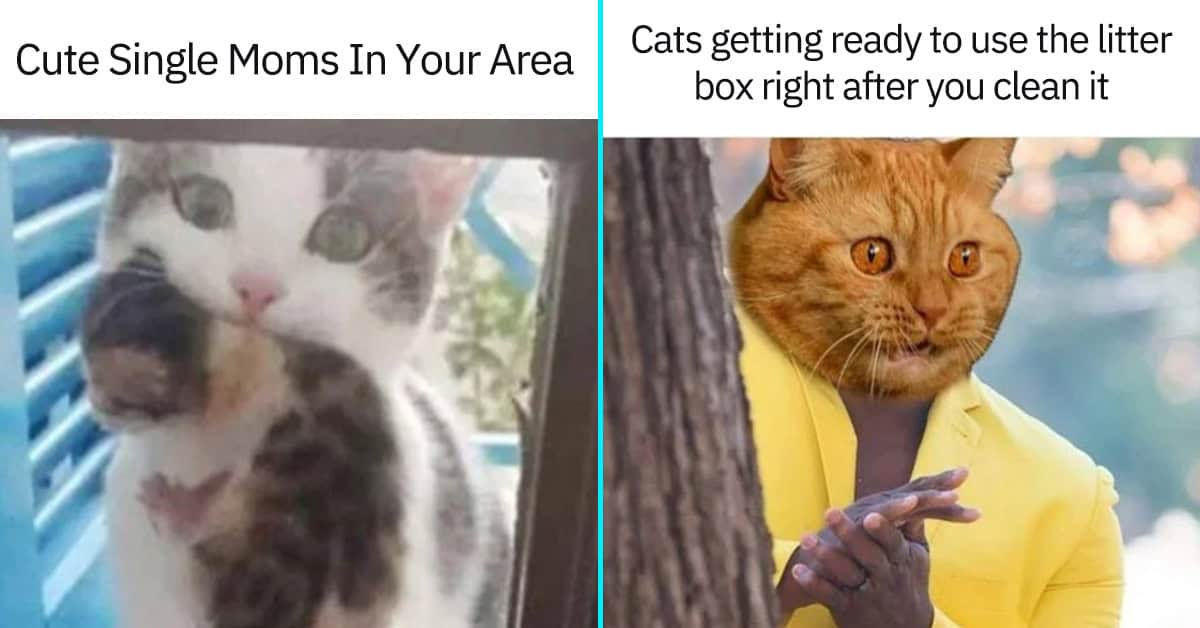
2003–2005: "LOLcats" (ImageMacro.me, ICanHasCheezburger)
A template-based meme using stock cat images paired with broken English captions (e.g., "I CAN HAS CHEEZBURGER?"). Humor mechanics included:
- Emotional projection: Cats’ expressions mapped onto human situations (e.g., "OH HAI INTERNET!").
- Participatory absurdity: Users generated endless variations (e.g., "I CAN HAS UPVOTES?").
- Nostalgia bait: Leveraged childhood internet culture (e.g., Geocities, early forums).
Cultural Impact: Popularized the image macro format, later adopted by Distracted Boyfriend and Woman Yelling at a Cat.
-
2007–2009: "Rage Comics" (4chan, Failblog)
A four-panel comic strip template depicting escalating frustration (e.g., "When you see a meme you don’t understand"). Key elements:
- Visual shorthand: Standardized expressions (e.g., sweaty brow, clenched fist).
- Relatability: Humor stemmed from universal frustration (e.g., technology, bureaucracy).
- Modularity: Panels could be swapped (e.g., "When you try to explain memes to your grandma").
Legacy: Influenced meme templates like Advice Dog and SpongeBob "This Is Fine" by codifying emotional arcs in visual storytelling.
Comparative Analysis: Three Eras of Memetic Evolution
The following table contrasts the medium, format, humor style, and societal role of memes across pre-internet, early internet, and social media eras, highlighting shifts in technology, audience, and creative processes.| Era | Medium | Dominant Format | Humor Style | Example Memes | Societal Role | |||||||||
|---|---|---|---|---|---|---|---|---|---|---|---|---|---|---|
| Pre-Internet (Pre-1990s) | Political Cartoons, Posters |
|
|
|
||||||||||
| Oral/Visual Rituals | Myths, Graffiti, Folk Art |
Progressive Humor in Memes: The Evolution from Shock to SatireThe trajectory of meme humor reflects broader cultural shifts in digital communication, where early internet trolling and shock-based memes gave way to more sophisticated, satirical, and self-referential formats. This evolution mirrors the maturation of online discourse—from crude disruption to layered critique, where memes now function as both cultural commentary and subversive storytelling. The transition from shock value (e.g., 4chan’s absurdist trolling, "Bad Luck Brian") to nuanced satire (e.g., "Wojak" existentialism, "Bernie Meme" political mobilization) underscores how memes adapt to societal anxieties, generational humor, and even geopolitical tensions. Absurdist memes thrive on surrealism and nonsensical juxtaposition, while meta-humor leverages irony and self-awareness to critique both the medium and its audience. Below, the mechanisms behind these shifts are dissected, alongside five defining meme formats that embody progressive humor.Shock Value to Satire: The Humor MechanismsEarly memes relied on disruptive shock—exploiting taboos, grotesque imagery, or deliberate absurdity to provoke reactions. Platforms like 4chan and /b/ cultivated a culture where anonymity enabled extreme trolling, with formats like "Bad Luck Brian" (a misfortune-stricken stick figure) or "Rage Comics" (exaggerated emotional outbursts) thriving on visceral, often nihilistic humor. These memes lacked narrative depth; their power derived from cognitive dissonance—forcing viewers to confront uncomfortable truths through exaggerated or grotesque scenarios.The shift toward satire emerged as memes became tools for organized critique. Political memes (e.g., "Bernie Meme" templates) repurposed absurdist aesthetics to mobilize support, while existential memes (e.g., "Wojak" with his "I’m fine" face) distilled generational disillusionment into relatable visual metaphors. Satirical memes employ juxtaposition, irony, and deadpan delivery to encode complex ideas—such as the "Distracted Boyfriend" meme, which critiques infidelity but also serves as a metaphor for societal betrayals (e.g., corporate greed, political broken promises). Unlike shock humor, satire invites active interpretation, demanding the viewer recognize the gap between surface absurdity and underlying critique. Absurdist vs. Meta-Humor: Narrative Structures in MemesAbsurdist memes disrupt logic through nonsensical premises and visual paradoxes, often drawing from surrealism or Dadaist traditions. The "Surreal Memes" subreddit, for instance, features images of floating objects, impossible physics, or anthropomorphized inanimate objects (e.g., a sentient toaster). The humor arises from the violation of expectations—viewers laugh not because of a punchline, but because the meme defies categorization. These formats lack traditional narrative arcs; instead, they rely on implied absurdity, where the viewer fills in the gaps with their own interpretations (e.g., "Why is there a cat wearing a top hat in a spaceship?").Meta-humor, conversely, acknowledges its own artificiality, often using self-referential irony or crisis framing. The "This Is Fine" dog meme—depicting a canine in a burning room calmly sipping tea—became iconic by inverting the trope of denial. Its narrative structure is three-act: Where absurdist memes reject logic, meta-memes exploit it, turning the viewer into a co-conspirator in the joke. This shift aligns with postmodern humor, where the medium’s own conventions become the target. Five Meme Formats Defining Progressive HumorThe following formats illustrate how memes encode humor through structured absurdity, cultural references, and visual-textual gaps. Each format’s success stems from its ability to distill complex ideas into shareable, relatable packages.The most effective progressive memes bridge the gap between individual experience and collective critique, using humor as a lingua franca for topics too taboo or nuanced for traditional discourse. Comparison of Meme Ecosystems: Reddit vs. TwitterThe structural and regulatory differences between platforms create distinct humor feedback loops, moderation impacts, and longevity factors. Below is a comparative analysis of Reddit and Twitter, two ecosystems that dominate meme culture but operate under divergent logics:
Reverse-Engineering a Viral Meme’s StructureTo systematically dissect why a meme becomes viral, the following template outlines key structural and emotional components. Applying this framework to memes like "Ohio" (2023) or "Two Buttons" (2021) reveals patterns in their success: |

Leave a Comment
Comments are moderated before appearing. The data you submit is processed according to the Privacy Policy of partner.football.org.il.