meme decoding viral phenomenon its psychology algorithms behind

Table of Contents
- Cultural and Psychological Foundations of Memes as Viral Content
- Cognitive Biases and the Virality of Memes
- Relatability, Irony, and Absurdity as Universal Triggers
- Comparative Analysis of Meme Types and Their Psychological Triggers
- Remix Culture and the Evolution of Memes
- Failed Memes and Structural Weaknesses in Virality
- Internet Subcultures as Incubators for Meme Mutations
- Technical and Algorithmic Mechanisms Behind Viral Memes
- Algorithm-Driven Feedback Loops and Virality Metrics
- Flowchart: Hashtags, Alt-Text, and Platform-Specific Features in Meme Discoverability
- Optimization of AI-Generated Memes for Virality
The rapid proliferation of memes as a dominant force in digital communication reflects a complex interplay between human psychology and technological design. By dissecting the cognitive triggers—such as pattern recognition, social proof, and the universal appeal of humor—this analysis reveals how memes transcend cultural and linguistic barriers to achieve global virality. From the absurdity of "Distracted Boyfriend" to the iterative evolution of "Drake Hotline Bling," these digital artifacts thrive by exploiting innate behavioral tendencies while adapting to platform-specific algorithms.
Beyond their surface-level entertainment value, memes serve as a mirror to societal trends, internet subcultures, and the mechanics of online engagement. Their success hinges on a delicate balance between relatability and novelty, often fueled by algorithmic amplification on social media. This exploration examines both the organic and engineered factors that propel memes from niche origins to mainstream saturation, including the role of AI, automated distribution, and the structural weaknesses of failed viral attempts.
Cultural and Psychological Foundations of Memes as Viral Content
Memes thrive as a viral phenomenon due to their deep-rooted alignment with human cognitive and social behaviors. Cognitive biases—such as pattern recognition, social proof, and the humor heuristic—serve as the psychological framework that accelerates their dissemination. These mechanisms exploit innate human tendencies to simplify complex information, seek validation through collective behavior, and derive pleasure from unexpected or absurd stimuli. Memes transcend linguistic and cultural barriers by leveraging relatability, irony, and absurdity, which create universal emotional resonances. Their iterative evolution, often termed "remix culture," sustains virality by allowing continuous reinterpretation, ensuring relevance across shifting digital landscapes. Meanwhile, internet subcultures act as crucibles where memes mutate, adapt, and either flourish or collapse due to over-saturation or misalignment with cultural trends.Cognitive Biases and the Virality of Memes
Memes exploit several cognitive biases that shape human decision-making and information processing. Pattern recognition, a fundamental cognitive trait, allows individuals to quickly categorize and interpret visual or textual content, reducing cognitive load. This bias is evident in meme formats like "Distracted Boyfriend", where the consistent visual template (a man looking at another woman while his partner pulls him back) enables instant comprehension across cultures. Social proof, another critical bias, drives virality by encouraging imitation when others engage with content. Platforms like TikTok and Twitter amplify this effect through algorithmic amplification, where high engagement signals perceived value, prompting further dissemination.The humor heuristic further enhances meme virality by triggering dopamine release, reinforcing positive associations with the content. Absurdity and irony—hallmarks of meme culture—activate the brain’s reward system by violating expectations in a controlled, humorous manner. For instance, the "Woman Yelling at a Cat" meme (originally a 2016 video) spread globally not due to its narrative complexity but because its exaggerated, relatable frustration resonated universally, regardless of language or cultural background.
Relatability, Irony, and Absurdity as Universal Triggers
The effectiveness of memes in transcending cultural and linguistic barriers stems from their reliance on relatability, irony, and absurdity, which create shared emotional experiences. Relatability is achieved through universal themes—such as failure, success, or social awkwardness—that mirror personal or collective experiences. The "Drake Hotline Bling" meme, for example, evolved from a song snippet into a template for depicting infidelity, betrayal, or even unrelated scenarios (e.g., a character "cheating" on a diet). Its longevity stems from its adaptability to diverse contexts, ensuring continued relevance.Irony and absurdity disrupt conventional communication, forcing audiences to engage critically while laughing. The "Roll Safe" meme, originating from a 2014 video of a man rolling down a hill, became a template for depicting reckless or exaggerated behavior. Its absurdity—paired with the relatable theme of youthful daring—facilitated cross-cultural adoption, from American college campuses to Indian WhatsApp groups. Similarly, the "Two Buttons" meme (a man choosing between two options, often absurd) exploits the cognitive dissonance of forced decision-making, a universally understood concept.
Comparative Analysis of Meme Types and Their Psychological Triggers
The following table illustrates how different meme formats exploit specific human behaviors, categorized by type, psychological trigger, cultural context, and viral spread pattern. The analysis highlights the interplay between cognitive biases and cultural adaptation in sustaining virality.| Meme Type | Psychological Trigger | Cultural Context | Viral Spread Pattern |
|---|---|---|---|
| Template Memes (e.g., "Distracted Boyfriend") | Pattern recognition + social proof; visual shorthand for complex emotions. | Global; adapted in advertising, politics, and personal narratives. | Exponential growth via remixing; peaks at 3–6 months before stabilization. |
| Absurdist Humor (e.g., "Woman Yelling at a Cat") | Humor heuristic + cognitive dissonance; relatable frustration in exaggerated form. | Cross-cultural; popular in Gen Z and Millennial communities. | Rapid initial spread; longevity through iterative variations (e.g., "Woman Yelling at a Dog"). |
| Text-Based Memes (e.g., "This Is Fine" Dog) | Irony + pattern recognition; juxtaposition of calm text with chaotic imagery. | Internet-native; dominant in Reddit and Twitter. | Moderate spread; sustained by niche subcultures (e.g., "Doggo" culture). |
| Remix Culture (e.g., "Drake Hotline Bling") | Social proof + iterative engagement; template for storytelling. | Global; adapted in music, film, and political satire. | Phased virality; initial spike followed by niche mutations (e.g., "Drake Hotline Bling" as a reaction GIF). |
| Shock Value (e.g., "Harlem Shake") | Novelty effect + social proof; temporary cultural phenomenon. | 2010s internet; tied to YouTube and Vine trends. | Short-lived (1–3 months); collapsed due to over-saturation. |
Remix Culture and the Evolution of Memes
The "remix culture" phenomenon describes how memes evolve through iterative reinterpretation, a process that sustains their relevance. A prime example is the "Drake Hotline Bling" meme, which began as a snippet of Drake’s 2015 song but transformed into a visual template for depicting betrayal, distraction, or even unrelated scenarios (e.g., a character "cheating" on a video game). This adaptability ensures the meme’s longevity, as each new iteration introduces slight variations that cater to emerging trends.Remixing exploits collaborative creativity, where audiences contribute to the meme’s evolution by adding context-specific layers. For instance, the "Two Buttons" meme (a man choosing between two options) was initially used for humorous dilemmas but later adapted for political satire (e.g., "Choose Your Scumbag" during elections). This iterative process mirrors cultural evolution, where memes mutate in response to societal shifts, ensuring they remain salient.
The sustainability of remix culture depends on low barriers to entry—users can easily alter templates using tools like Photoshop, Canva, or even AI-generated content. Platforms like TikTok and Instagram further accelerate this process by rewarding creativity with algorithmic visibility, incentivizing continuous innovation.
Failed Memes and Structural Weaknesses in Virality
Not all memes achieve sustained virality; some collapse due to over-saturation, misalignment with cultural trends, or structural flaws. The "Harlem Shake" (2013) exemplifies a meme that peaked rapidly but faded quickly. Initially, the dance trend spread via YouTube and Vine, leveraging novelty and social proof. However, its virality depended on temporary collective participation, a phenomenon known as the "participation paradox"—once the novelty wore off, engagement declined sharply. By 2014, the trend had dissipated, replaced by newer formats.Another failed meme, "The Most Interesting Man in the World" (2006–2014), collapsed due to over-commercialization. Originally a Dos Equis advertising campaign, the meme’s humor relied on exaggerated masculinity and absurdity. However, its integration into mainstream advertising diluted its subcultural appeal, leading to backlash and eventual decline. The meme’s structural weakness was its lack of adaptability—unlike remixable templates, it could not evolve organically within internet communities.
Failed memes often suffer from:
Internet Subcultures as Incubators for Meme Mutations
Internet subcultures—such as 4chan, Red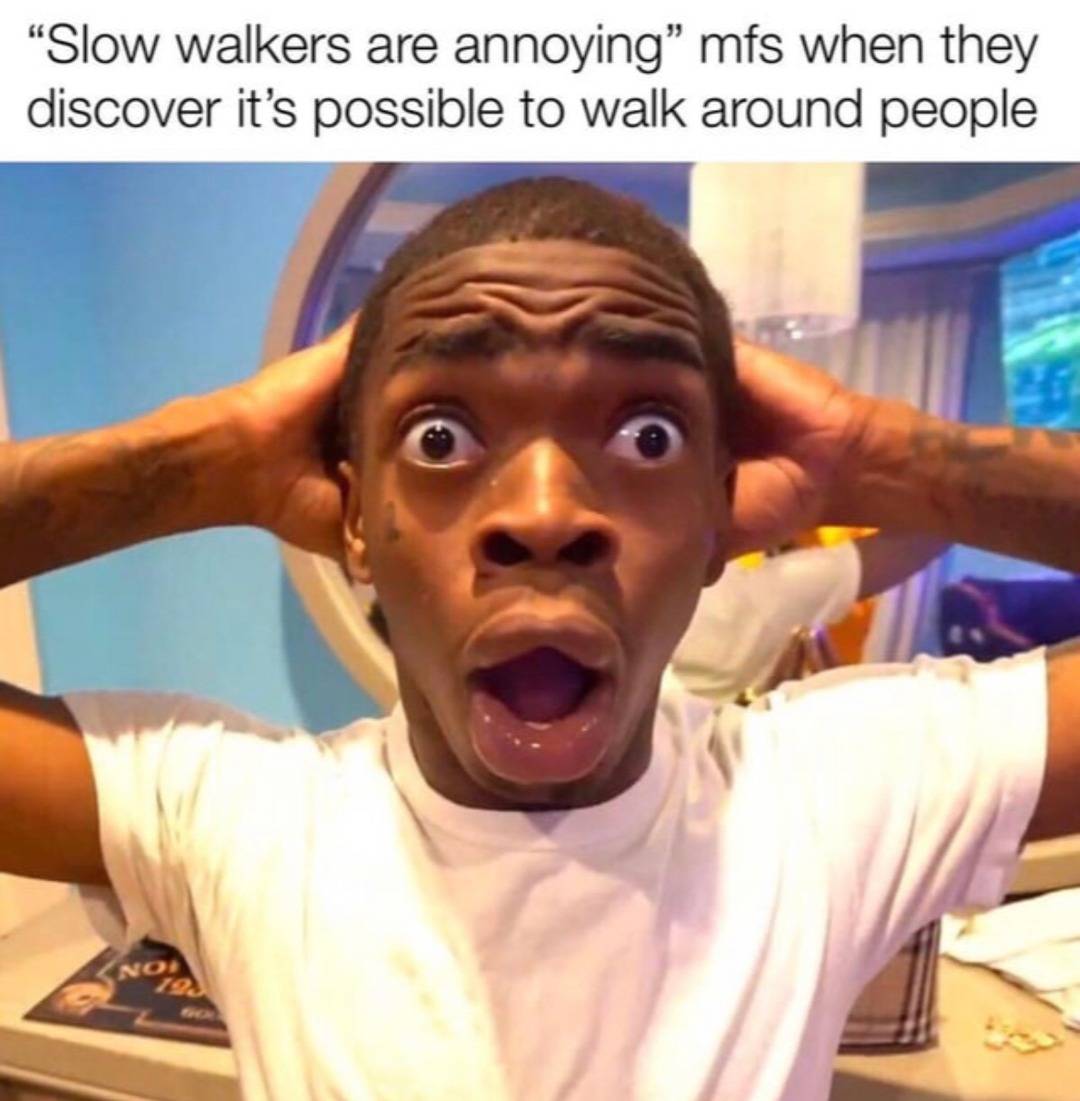
Technical and Algorithmic Mechanisms Behind Viral Memes
The virality of memes is not merely a product of organic creativity but a result of intricate algorithmic ecosystems designed to maximize engagement, retention, and dissemination. Platforms like Twitter/X, Instagram, and TikTok employ real-time feedback loops—driven by metrics such as retweet ratios, watch time, and engagement velocity—to identify, amplify, and sustain content that aligns with user behavior patterns. These mechanisms create a self-reinforcing cycle where memes evolve in response to platform-specific incentives, often exploiting psychological triggers (e.g., surprise, humor, or relatability) while adhering to technical constraints (e.g., file size, aspect ratio, or hashtag density). Understanding these dynamics reveals how memes transcend individual sharing to become systemic phenomena, shaped by both human intent and machine optimization.The amplification of memes hinges on three core algorithmic pillars: discovery triggers, engagement signals, and network effects. Discovery triggers include hashtags, alt-text, and platform-specific features (e.g., Instagram’s "Repost" sticker or Twitter’s "Quote Tweet"), which act as metadata tags that algorithms parse to categorize and surface content. Engagement signals—such as likes, shares, and dwell time—are quantified and weighted by platforms to predict future virality, often prioritizing content that deviates from the user’s typical feed (the "novelty effect"). Network effects emerge when memes spread exponentially through reposting, remixing, or bot-assisted amplification, creating a feedback loop where early engagement begets further visibility. Below, the interplay of these mechanisms is dissected, including the role of AI-generated content, format optimization, and automated amplification.
Algorithm-Driven Feedback Loops and Virality Metrics
Platforms employ distinct yet overlapping algorithmic frameworks to identify and propagate memes, with each prioritizing specific engagement metrics. Twitter/X’s algorithm, for instance, relies heavily on retweet ratios and reply velocity, favoring content that sparks rapid, high-volume interactions within minutes of posting. Instagram’s feed prioritizes watch time and saves, while TikTok’s "For You Page" (FYP) algorithm emphasizes average watch duration and completion rate, with a threshold of 50–70% video retention often required for sustained virality. These metrics are dynamically adjusted based on user behavior, creating a moving target for creators.Key Virality Metrics by Platform:The engagement velocity—the rate at which interactions occur post-upload—is critical. Memes that achieve >100 interactions within the first 30 minutes on Twitter/X or >1,000 views in the first hour on TikTok are flagged by algorithms for further amplification. This is compounded by recency bias, where newer content is prioritized over older posts, even if the latter has higher absolute engagement. Platforms also employ collaborative filtering, cross-referencing user interactions to recommend memes to similar audiences, further accelerating spread.
Twitter/X: Retweet ratio (>3x baseline), reply velocity (>5 replies/minute), quote-tweet frequency. Instagram: Watch time (>30% of video length), saves (>0.5% of viewers), shares (>1% of reach). TikTok: Average watch duration (>50%), completion rate (>70%), shares (>2% of viewers).
Flowchart: Hashtags, Alt-Text, and Platform-Specific Features in Meme Discoverability
The discoverability of a meme is determined by its metadata optimization, which includes hashtags, alt-text, and platform-native features. Below is a structured breakdown of how these elements interact within the algorithmic pipeline:- Format Selection: Image (JPEG/PNG), video (MP4), or text-based (GIF/Sticker).
- Alt-Text: Descriptive text for accessibility and SEO (e.g., "Distracted Boyfriend meme with [specific twist]").
- Hashtag Strategy:
- Primary hashtag (e.g., #memes, #viral).
- Niche hashtags (e.g., #gamingmemes, #politicalhumor).
- Avoid overused tags (e.g., #funny) unless in moderation.
- Platform-Specific Features:
- Twitter/X: Quote Tweets, Threads (for multi-part memes), or "Media with Caption" (for text overlays).
- Instagram: "Repost" sticker (signals authenticity), Carousel posts (for multi-image memes), or Stories (for ephemeral trends).
- TikTok: Duets, Stitches (for remixing), or "Add Yours" challenges (for user-generated variations).
- Hashtag Analysis: Platforms match hashtags to user interests and trending topics, with weight given to recency and relevance.
- Alt-Text Indexing: Used for accessibility and semantic search (e.g., "Woman Yelling at Cat" meme with "office meeting" alt-text targets a specific audience).
- Feature Detection:
- Twitter/X: Detects "media-heavy" tweets and boosts those with high engagement on similar content.
- Instagram: Prioritizes posts with "Repost" stickers or high save rates in niche communities.
- TikTok: Uses computer vision to identify meme templates (e.g., "Skibidi Toilet" style) and recommends to users who engaged with similar content.
- Early Engagement Spike: Content with >3x expected interactions in the first hour is pushed to "Explore" or FYP.
- Network Effects: Reposts/remixes trigger secondary waves of engagement (e.g., a TikTok Stitch with a new caption).
- Platform-Specific Boosts:
- Twitter/X: "Trending" tab surfacing memes with high retweet ratios.
- Instagram: "Reels" tab prioritizing short-form meme videos.
- TikTok: "Discover" page featuring memes with high completion rates.
Optimization of AI-Generated Memes for Virality
AI-generated memes leverage generative models (e.g., DALL·E, MidJourney, Stable Diffusion) to produce content tailored for algorithmic amplification. The virality of these memes stems from their ability to combine novelty with relatability, often by exploiting surrealism, absurdity, or hyper-specific humor. Creators use prompt engineering to maximize shareability, with successful templates including:High-Virality AI Meme Prompts:The optimization process involves:
"A surrealist portrait of a CEO crying in a boardroom, but it’s actually a deepfake of [celebrity], style of [artist], hyper-detailed, 8K, cinematic lighting, absurd but relatable." "A meme format inspired by ‘Distracted Boyfriend’ but with [niche twist], e.g., ‘Distracted Investor’ with Bitcoin vs. Stocks, 3D-rendered, anime style." "A ‘Two Buttons’ meme where Button A is ‘Remote Work’ and Button B is ‘Office Politics,’ with a dark humor twist, watercolor texture."
1. Template Reverse-Engineering: AI-generated memes often mimic existing viral formats (e.g., "Woman Yelling at Cat") but introduce micro-variations (e.g., swapping characters for niche audiences).
2. Emotional Trigger Mapping: Prompts designed to evoke laughter, nostalgia, or outrage (e.g., "A ‘Skibidi Toilet’ meme but with [controversial topic], chaotic but shareable").
3. Platform-Specific Adaptations:
Decoding the virality of memes uncovers a phenomenon that is as much about human behavior as it is about technological optimization. The iterative nature of meme culture—where templates like "Success Kid" or "Two Buttons" are endlessly remixed—demonstrates how digital content adapts to audience expectations while leveraging platform-specific features. From the psychological triggers that make a meme shareable to the algorithmic feedback loops that sustain its reach, the mechanics behind viral success are both systematic and unpredictable. Understanding these dynamics not only sheds light on the evolution of online communication but also highlights the fragility of trends in an era dominated by fleeting digital moments.
Leave a Comment
Comments are moderated before appearing. The data you submit is processed according to the Privacy Policy of partner.football.org.il.