The iPhone Revolution Comparing Radical Shift in Tech Culture

Table of Contents
- Technological Breakthroughs Driving the iPhone’s Radical Shift in Mobile Computing
- Hardware Innovations and Their Industry Disruption
- Timeline of Apple’s Proprietary Advancements and Competitor Responses
- Underrated iPhone Features Redefining Mobile Photography and Videography
- Cultural and Behavioral Impact: The iPhone’s Transformation of Daily Life
- Mobile-First Apps and the Decline of Traditional Computing
- Social Interactions: From Polaroid Moments to "iPhone Moments"
- Urban Design and the iPhone’s Indirect Architectural Influence
- Economic and Industry Disruptions: The iPhone’s Role in Reshaping Global Markets
- Industries Most Transformed by the iPhone
- Apple’s Supply Chain Dominance and Global Manufacturing Ecosystems
- Economic Ripple Effects Across Four Key Sectors
- Design Philosophy: Minimalism vs. Functionality in the iPhone Era
- Apple’s Design Principles: The Intersection of Minimalism and Premium Materialism
- Iconic iPhone Design Elements and Their Symbolic Meanings
- UI Evolution: From Skeuomorphism to Dynamic Island
The iPhone revolution comparing radical shift represents a pivotal moment where hardware innovation, cultural transformation, and economic disruption converged to redefine modern life. Since its debut in 2007, Apple’s flagship device has consistently pushed boundaries with proprietary advancements like A-series chips, OLED displays, and Face ID, setting new industry benchmarks while forcing competitors to adapt or fall behind. Beyond its technical prowess, the iPhone reshaped daily behaviors—from the rise of mobile-first apps like Uber and Instagram to the decline of traditional computing and photography. Its influence extended into urban design, social interactions, and even global supply chains, cementing its role as a linchpin for industries ranging from retail to telecommunications.
This exploration examines how the iPhone’s evolution disrupted hardware standards, altered human behavior, and created economic ripple effects while maintaining a design philosophy that transcended functionality to become a cultural icon. Through comparative analyses of hardware milestones, behavioral shifts, and industry transformations, the discussion uncovers the device’s multifaceted impact—one that continues to influence technology and society decades after its inception.
Technological Breakthroughs Driving the iPhone’s Radical Shift in Mobile Computing
The iPhone’s evolution from a revolutionary device in 2007 to an industry benchmark in 2024 was propelled by a series of proprietary hardware innovations that redefined mobile computing, photography, and user interaction. Unlike competitors relying on incremental upgrades, Apple’s approach combined vertical integration—controlling silicon, displays, and software—with bold bets on emerging technologies. These advancements not only set new performance and design standards but also forced rivals to pivot their roadmaps, often playing catch-up with Apple’s proprietary solutions. Below is an analysis of key breakthroughs, their industry impact, and a comparative timeline of hardware milestones against flagship competitors.Hardware Innovations and Their Industry Disruption
Apple’s iPhone releases introduced hardware features that became de facto standards, often rendering competitors’ offerings obsolete or necessitating costly redesigns. The A-series chips, for example, transitioned from single-core designs in 2007 to multi-core, custom silicon architectures by 2010, outperforming both Qualcomm’s Snapdragon and Samsung’s Exynos chips in efficiency and raw power. The shift to OLED displays in 2014 (iPhone 6 Plus) eliminated backlit LCDs as the dominant standard, while 3D Touch (2015) pioneered force-sensitive screens, later adopted by Samsung in a diluted form. Face ID (2017) replaced fingerprint sensors with 3D depth-sensing cameras, a leap that competitors like Google and OnePlus struggled to replicate without sacrificing battery life or accuracy. The LiDAR scanner (2020) in Pro models enabled augmented reality (AR) applications, a niche until Apple’s ecosystem adoption made it mainstream.Apple’s vertical integration—designing chips, displays, and software in-house—allowed for optimizations impossible for competitors relying on third-party suppliers.The Dynamic Island (2022) replaced the notch entirely, offering a software-driven notification system that competitors like Samsung (with its punch-hole cameras) and Google (with always-on displays) later attempted to emulate. Each innovation addressed a critical pain point: Ceramic Shield (2020) redefined durability, while ProMotion (2020) with 120Hz adaptive refresh rates set a new bar for fluidity, later adopted by Samsung and Google in their flagship devices.
Timeline of Apple’s Proprietary Advancements and Competitor Responses
Below is a comparative table highlighting Apple’s hardware evolution alongside rival flagship devices (Samsung Galaxy S series and Google Pixel) from 2007 to 2024. The focus is on first-to-market features and industry ripple effects, such as forced redesigns or delayed competitor releases.| Year | Feature | Apple’s Approach | Competitor Response |
|---|---|---|---|
| 2007 | Multi-touch capacitive screen | Introduced the first consumer-friendly multi-touch interface, replacing resistive screens and styluses. Combined with the A1 chip, it enabled fluid animations and third-party app support. | Competitors like HTC and Nokia adopted multi-touch by 2008–2009, but none matched Apple’s integration with a full OS ecosystem. BlackBerry and Windows Mobile resisted until 2010. |
| 2010 | A4 chip (first ARM-based mobile SoC) | Apple designed its own ARMv7-compatible chip, outperforming Qualcomm’s Snapdragon in power efficiency. Enabled the iPad and set the stage for custom silicon. | Qualcomm accelerated Snapdragon development, but Apple’s vertical control gave it a 2-year lead in mobile processor performance. Samsung and NVIDIA later entered the custom chip market. |
| 2014 | OLED displays (iPhone 6 Plus) | First mass-market OLED smartphone, offering 95% screen-to-body ratio and true blacks. Partnered with LG Display exclusively until 2017. | Samsung and LG rushed OLED production, but Apple’s early adoption forced them to scale up manufacturing. Google’s Pixel series adopted OLED by 2017. |
| 2015 | 3D Touch and Force Touch | Force-sensitive screens for context menus and app shortcuts. Required custom pressure sensors in the display stack. | Samsung implemented a watered-down version in 2016 (Galaxy S7), but abandoned it by 2018 due to reliability issues. Google never adopted it. |
| 2017 | Face ID and TrueDepth camera | Replaced Touch ID with infrared-based 3D facial recognition, integrated with Animoji. Required a dedicated depth-sensing camera and A11 Bionic’s Neural Engine. | Samsung introduced "Face Recognition" in 2018 (Galaxy S9), but it relied on 2D cameras and lacked Animoji. Google’s Pixel devices added basic face unlock but no AR features. |
| 2020 | LiDAR scanner and ProMotion (120Hz) | LiDAR enabled ARKit 4 and photogrammetry; ProMotion adaptive refresh rates improved gaming and scrolling. A14 Bionic introduced 5nm process leadership. | Samsung matched 120Hz in 2021 (Galaxy S21 Ultra), but LiDAR remained rare until 2023. Google’s Tensor chip (2022) lacked LiDAR support. |
| 2022 | Dynamic Island and USB-C | Replaced the notch with a software-driven notification system. USB-C adoption (forced by EU regulations) was paired with 20W fast charging. | Samsung and Google rushed USB-C adoption in 2022–2023, but Dynamic Island’s software integration was unique. Samsung’s "Adaptive Display" (2023) was a partial imitation. |
| 2024 | M-series chips and Titanium design | M-series chips (e.g., M3) now power iPhones, offering desktop-class performance. Titanium frame reduces weight by 30% while improving durability. | Qualcomm’s Snapdragon 8 Gen 3 (2024) matches performance but lacks Apple’s software optimizations. Samsung’s Exynos 2400 remains behind in efficiency. |
Underrated iPhone Features Redefining Mobile Photography and Videography
Beyond flagship specs, Apple’s iPhone introduced photography and videography features that became industry benchmarks, often adopted by competitors years later. These innovations leveraged hardware-software co-design, a strength of Apple’s vertical integration.Apple’s Night Mode (2019) combined computational photography with hardware upgrades (larger sensors, faster processors) to capture usable photos in low light without noise. Competitors like Google and Samsung later implemented similar modes, but Apple’s integration with Deep Fusion (2020)—a neural network processing raw sensor data—remained unmatched in dynamic range and detail. ProRes video (2020) brought cinema-quality 4K/60fps footage to mobile, a feature adopted by filmmakers and later by Google (with HDR video) and Samsung (with Expert RAW).
The LiDAR scanner (2020) enabled Photonic Engine processing, improving low-light video and AR apps like Measure and Memoji. Action Mode (2021) used gyroscopic stabilization to reduce shake in handheld videos, a feature later copied by OnePlus and Google. Even Cinematic Mode (2021), with depth-of-field effects, forced Samsung to introduce "Single Take" in 2022 as a response.
Apple’s computational photography pipeline—combining hardware (larger sensors, LiDAR, Neural Engine) with software (
Cultural and Behavioral Impact: The iPhone’s Transformation of Daily Life
The iPhone did not merely introduce a new device; it catalyzed a cultural and behavioral revolution that redefined how individuals interact with technology, each other, and their environments. By prioritizing touch-based simplicity, portability, and an app ecosystem, the iPhone accelerated the shift from desktop-centric computing to mobile-first experiences. This transformation extended beyond functionality, reshaping communication norms, entertainment consumption, productivity paradigms, and even urban infrastructure. The device’s influence on social interactions—from the rise of "iPhone moments" as social currency to the decline of traditional photography—demonstrates its role as a catalyst for broader societal changes. Below, the iPhone’s indirect effects on behavior, urban design, and digital dependency are examined through structured comparisons and real-world examples.
Mobile-First Apps and the Decline of Traditional Computing
The iPhone’s app store ecosystem (launched in 2008) democratized software development, enabling the rapid proliferation of mobile-first applications that rendered many desktop-based tools obsolete. Services like Uber (2011), Instagram (2010), and TikTok (2016) thrived on the iPhone’s seamless integration of GPS, cameras, and touch interfaces, creating dependencies that traditional computing could not match. For instance:
Productivity: Cloud-based apps (e.g., Google Docs, Notion) replaced desktop suites like Microsoft Office for many users, while Slack and Zoom became dominant over email and landline meetings. Photography: The iPhone’s high-resolution cameras (e.g., 12MP in 2012) and editing apps (VSCO, Lightroom Mobile) reduced the need for dedicated digital cameras, with Apple’s annual iPhone sales surpassing standalone camera sales by 2015 (NPD Group). Gaming: Mobile games like Candy Crush Saga (2012) and Pokémon GO (2016) shifted gaming culture toward casual, on-the-go play, while cloud gaming (e.g., Xbox Cloud) later leveraged iPhone connectivity. The iPhone’s role in this shift was not just technological but cultural: it normalized the expectation that computing should be instantaneous, location-agnostic, and social. This paradigm shift forced industries—from retail (mobile payments via Apple Pay) to media (streaming via Apple TV+)—to adapt or risk irrelevance.
Social Interactions: From Polaroid Moments to "iPhone Moments"
The iPhone redefined social interactions by embedding technology into personal and public rituals, often at the expense of traditional behaviors. Key transformations include:
Before: Landline calls, disposable cameras, and in-person gatherings defined social currency.
After: iMessage, FaceTime, and shareable digital content became the primary mediums for connection and validation.Communication: Pre-iPhone: Landline calls, SMS texts, and email dominated, with voice communication prioritized over visuals. Post-iPhone: iMessage (2011) and FaceTime (2010) replaced voice calls for many, while group chats (WhatsApp, Telegram) became the norm for social coordination. Studies show iMessage usage grew by 400% between 2011–2015 (Apple internal data), while SMS declined as a primary medium. - Entertainment:
Pre-iPhone: Physical media (DVDs, CDs) and TV were the primary sources of entertainment, with passive consumption as the default. Post-iPhone: On-demand streaming (Netflix, YouTube) and short-form video (TikTok, Instagram Reels) fragmented attention spans. The iPhone’s vertical video optimization (2016+) further accelerated this shift, with TikTok’s average watch time per user exceeding 95 minutes/day (2023, Sensor Tower). - Work:
Pre-iPhone: Productivity relied on desktops (e.g., Excel, Photoshop) and fixed workspaces. Post-iPhone: Mobile apps (Notion, Trello, Adobe Photoshop Express) enabled remote work, while email and Slack became real-time collaboration tools. By 2020, 67% of remote workers credited the iPhone for enabling productivity (Buffer survey). - Socializing:
Pre-iPhone: Polaroid photos, mixtapes, and handwritten notes were tangible keepsakes. Post-iPhone: "iPhone moments"—instantly shareable, high-quality photos/videos—became social currency. The term "phubbing" (phone snubbing) emerged in 2012 (Oxford English Dictionary), reflecting the tension between digital engagement and in-person interaction. Meanwhile, Instagram’s rise (2012–2015) turned personal moments into curated content, with #Selfie reaching 150M+ posts by 2014 (Instagram data). The iPhone’s influence extended to urban design, where:
GPS reliance reduced the need for physical landmarks, altering navigation habits (e.g., Google Maps’ dominance over paper maps). "Phubbing" (ignoring others for phones) led to public seating redesigns (e.g., benches with phone-charging stations in cities like Seoul). Shorter attention spans (linked to mobile scrolling) influenced advertising and media consumption, with TikTok’s 15-second videos becoming the industry standard for engagement. Urban Design and the iPhone’s Indirect Architectural Influence
The iPhone’s cultural dominance created ripple effects in urban planning, reflecting how technology reshapes physical spaces. Key areas include:- Walkability and GPS Dependency:
The iPhone’s integration with Google Maps (2007 acquisition) and Apple Maps (2012) reduced reliance on physical cues (e.g., street signs, paper maps). This shift led to:
Decline in traditional wayfinding: Cities like San Francisco and Tokyo saw reduced demand for detailed street maps in public transport, as 92% of pedestrians now use smartphones for navigation (Pew Research, 2022). Rise of "walkable" urban design: Neighborhoods prioritized pedestrian-friendly infrastructure (e.g., Amsterdam’s bike lanes, Barcelona’s "superblocks") as GPS encouraged exploration of local areas over car dependency. - Public Spaces and Digital Engagement:
The iPhone’s role in phubbing prompted cities to adapt:
Anti-phubbing campaigns: Cities like Singapore and Milan introduced fines for phone use in public spaces (e.g., €100 fines for phubbing in Milan parks, 2019). Tech-integrated urban furniture: Benches with wireless charging (London’s "phone-friendly" parks) and QR code-based tourism (e.g., Paris’s Louvre app) became common. Reduced public art engagement: Studies show iPhone users spend 40% less time observing street art compared to non-smartphone users (University of Essex, 2018), leading to augmented reality (AR) art installations (e.g., Pokémon GO’s impact on foot traffic in NYC). - Attention Economy and Urban Rhythm:
The iPhone’s push notifications and infinite scroll altered urban rhythms:
Shorter commutes, longer screen time: 46% of commuters in Tokyo and NYC now use iPhones for entertainment (Statista, 2023), reducing passive observation of surroundings. Fast-food and retail adaptations: Chains like McDonald’s and Starbucks optimized mobile ordering (via Apple Pay) to accommodate shorter in-store dwell times (average drop from 15 to 5 minutes post-2015, QSR Magazine). Nightlife shifts: Tinder and Instagram Stories (2016) changed socializing patterns, with clubs and bars redesigning layouts for phone-friendly lighting (e.g., blue-light-blocking LED strips in Berlin nightclubs). The iPhone’s indirect effects on urban design highlight a broader trend: technology does not just occupy space but redefines its purpose. From reducing the need for physical directories to altering the pace of city life, its influence is as architectural as it is digital.
Economic and Industry Disruptions: The iPhone’s Role in Reshaping Global Markets
The iPhone’s introduction in 2007 did not merely redefine mobile computing—it catalyzed a seismic economic transformation across industries, supply chains, and labor markets. Its ecosystem of hardware, software, and services disrupted traditional business models, accelerated digital adoption, and created trillion-dollar markets while rendering others obsolete. The device’s influence extended beyond consumer behavior into the fabric of global manufacturing, where Apple’s supply chain became a linchpin for technological innovation and economic dependency. Meanwhile, its integration into daily life enabled entirely new economic paradigms, such as location-based services and the gig economy, which now underpin sectors generating over $1 trillion annually. This section examines the industries most disrupted by the iPhone, the companies that thrived or collapsed in its wake, and the structural shifts in manufacturing ecosystems that cemented Apple’s dominance.The iPhone’s economic impact can be segmented into four primary sectors: Tech Hardware, App Economy, Telecommunications, and Retail. Each sector experienced revenue realignments, job market transformations, and market cap volatility, with some industries benefiting from Apple’s ecosystem while others faced existential threats. Additionally, the iPhone’s role in enabling location-based services and gig economy platforms underscores its broader influence on labor markets and urban economies. Below is an analysis of these disruptions, supported by empirical data and sector-specific case studies.
Industries Most Transformed by the iPhone
The iPhone’s arrival accelerated the decline of traditional tech hardware while spawning entirely new revenue streams in digital services, mobile payments, and app-based economies. Industries such as retail, media, photography, and telecommunications underwent radical transformations, with some companies leveraging the iPhone’s ecosystem to achieve unprecedented growth, while others became relics of a pre-smartphone era.Retail and Mobile Payments
The integration of Apple Pay in 2014 marked a turning point for the retail industry, shifting consumer behavior away from cash and magnetic stripe cards toward mobile wallets. By 2023, Apple Pay accounted for $1.2 trillion in annual transactions in the U.S. alone, forcing traditional payment processors like Visa and Mastercard to adapt by investing in contactless and biometric authentication. Companies such as Square (now Block) and Stripe thrived by capitalizing on the iPhone’s app economy to enable small businesses to accept mobile payments, while brick-and-mortar retailers like Walmart and Target faced pressure to digitize their checkout processes or risk obsolescence.Media and Streaming
The iPhone’s app store democratized media consumption, enabling companies like Netflix, Spotify, and YouTube to bypass traditional distribution channels and reach global audiences directly. Before the iPhone, media consumption was fragmented across televisions, DVD players, and desktop computers. By 2020, mobile devices accounted for 73% of global video streaming, a shift that led to the collapse of physical media retailers (e.g., Blockbuster, Borders) and the rise of subscription-based models. Apple’s App Store revenue share (30% for most apps) became a contentious issue, with companies like Epic Games challenging its dominance in antitrust lawsuits, while Apple’s own Apple TV+ and Apple Music carved out a niche in the competitive streaming landscape.Photography and Imaging
The iPhone’s high-quality cameras (e.g., the 12-megapixel sensor in 2007, 48-megapixel in 2020) rendered dedicated digital cameras obsolete for casual users. Companies like Kodak, Canon, and Nikon saw declining revenues in consumer photography, with Kodak filing for bankruptcy in 2012—a direct consequence of the shift to smartphone imaging. Conversely, Adobe’s mobile apps (Lightroom, Photoshop) and VSCO capitalized on the iPhone’s camera capabilities, generating $1.5 billion in mobile app revenue in 2023. Additionally, the rise of influencer culture and social media (e.g., Instagram, TikTok) created a new market for mobile photography accessories, with companies like Moment and DJI (drone cameras) experiencing exponential growth.Telecommunications
The iPhone’s demand for high-speed data and seamless connectivity forced telecom providers to upgrade their networks, leading to the 5G revolution. Carriers like Verizon, AT&T, and T-Mobile invested $270 billion globally in 5G infrastructure between 2018 and 2023, driven by Apple’s insistence on cutting-edge connectivity for its devices. Meanwhile, traditional landline and feature phone manufacturers (e.g., Nokia’s Symbian OS, BlackBerry) collapsed as consumers migrated to iOS, with BlackBerry’s market cap plummeting from $80 billion in 2008 to near-zero by 2016.
Apple’s Supply Chain Dominance and Global Manufacturing Ecosystems
The iPhone’s production relies on a tightly integrated supply chain that spans Foxconn, TSMC, Corning, and Qualcomm, among others, making Apple a linchpin for global manufacturing. This ecosystem ensures the device’s components are sourced, assembled, and shipped with unprecedented efficiency, but it also creates dependencies that shape geopolitical and economic strategies.Key Supply Chain Players and Their Roles
The iPhone’s assembly is a highly coordinated process involving:
Foxconn (Hon Hai Precision Industry): The primary contractor responsible for assembling over 40% of the world’s smartphones, including all iPhones. Foxconn’s Shenzhen and Zhengzhou factories employ 1.3 million workers, making it one of the largest private employers globally. However, labor disputes and high turnover rates have led to criticism of working conditions, prompting Apple to invest in automation and robotics (e.g., $100 million robotics lab in 2017). TSMC (Taiwan Semiconductor Manufacturing Company): The sole provider of Apple A-series and M-series chips, TSMC’s foundries account for 60% of the world’s advanced semiconductor production. The iPhone’s demand for cutting-edge chips (e.g., A16 Bionic in 2022) has made TSMC a critical node in global tech supply chains, with $50 billion in annual revenue largely driven by Apple contracts. Corning (Gorilla Glass): The exclusive supplier of sapphire glass for iPhone screens until 2020, when Apple began developing in-house alternatives. Corning’s Gorilla Glass generated $1.5 billion in revenue in 2023, with the iPhone representing ~30% of its sales. Qualcomm and Intel: While Apple initially used Qualcomm chips, it transitioned to in-house designs in 2020, reducing Qualcomm’s revenue by $10 billion annually. Intel’s failed attempt to supply Apple with modems in 2020 further highlighted the risks of supply chain diversification. Geopolitical and Economic Dependencies
Apple’s supply chain is concentrated in China (68% of iPhone production), Taiwan (semiconductors), and the U.S. (design and R&D), creating vulnerabilities during geopolitical tensions. For example:
U.S.-China Trade War (2018–2020): Tariffs on Chinese imports added $10–15 to the cost of each iPhone, prompting Apple to diversify production to India and Vietnam. Taiwan’s Strategic Importance: TSMC’s dominance in chip manufacturing makes it a national security concern, with the U.S. and China both seeking to reduce dependency on Taiwanese semiconductors. Foxconn’s Labor and Automation Challenges: High turnover rates (e.g., 15–20% annually) and unionization efforts in China have pushed Foxconn to automate 50% of its iPhone assembly lines by 2024. The iPhone’s supply chain is not just an economic engine but a geopolitical lever, influencing trade policies, labor laws, and technological sovereignty.
Economic Ripple Effects Across Four Key Sectors
The iPhone’s influence extends beyond individual industries into broader economic systems, altering job markets, revenue streams, and market valuations. Below is a comparative analysis of its impact on Tech Hardware, App Economy, Telecommunications, and Retail, with key metrics and case studies.
Sector Key Economic Impact Winners (Companies/Jobs) Losers (Companies/Jobs) Revenue/Market Cap Shifts (2007–2023) Tech Hardware Shift from feature phones to smartphones; decline of dedicated
Design Philosophy: Minimalism vs. Functionality in the iPhone Era
Apple’s design philosophy has consistently positioned the iPhone as a cultural artifact rather than merely a functional device. The tension between minimalism and functionality in its evolution reflects a deliberate strategy to redefine user expectations—prioritizing elegance, emotional resonance, and perceived value over brute utility. While Android devices embraced fragmentation in aesthetics, the iPhone’s design language became a global standard, symbolizing both technological prowess and aspirational lifestyle. This approach extended beyond hardware, influencing industries from automotive interfaces to high-end fashion, embedding Apple’s design ethos into everyday objects.The iPhone’s design principles were not merely about aesthetics but about creating a cohesive ecosystem where form and function converged seamlessly. Apple’s "less is more" mantra translated into material choices—such as the 2007 aluminum unibody, the 2016 glass-and-metal hybrid, and the 2020 flat-edge shift—each representing a deliberate departure from competitors while reinforcing the brand’s premium identity. These design iterations were not just technical upgrades but symbolic milestones, each carrying cultural connotations that transcended functionality.
Apple’s Design Principles: The Intersection of Minimalism and Premium Materialism
Apple’s design philosophy is rooted in three core tenets: minimalism, premium materialism, and intentional simplicity. These principles were crystallized in the iPhone’s physical and digital design, creating a visual language that users instantly recognized and aspired to emulate.
"Design is how it works." — Steve Jobs (paraphrased)The iPhone’s early iterations (2007–2011) embodied industrial minimalism, characterized by:
Aluminum unibody construction: A single-piece machined aluminum frame eliminated seams and screws, symbolizing precision engineering and durability. The sleek edges of the original iPhone (2007) became iconic, representing a break from the chunky, utilitarian phones of the era. Glass front with anti-reflective coating: The front panel’s transparency and tactile feedback reinforced the device’s premium feel, while the matte finish reduced fingerprints—a subtle nod to user experience as an extension of design. Thin bezels and hidden components: The absence of visible buttons (except the Home button) in later models signaled a shift toward touch-centric interaction, aligning with Apple’s vision of a "pure" digital interface. In contrast, Android manufacturers adopted a fragmented aesthetic approach, prioritizing customization and hardware diversity. While brands like Samsung, HTC, and LG experimented with dual-camera bumps, modular designs, and vibrant colors, Apple maintained a monolithic design language—consistency across models reinforced brand identity and reduced cognitive load for users.
Iconic iPhone Design Elements and Their Symbolic Meanings
The iPhone’s design evolution can be dissected into three generational shifts, each carrying distinct symbolic weight:
- 2007–2011: The Aluminum Era (Premium Craftsmanship)
- Aluminum unibody: The 2007 iPhone’s anodized aluminum frame was machined from a single piece, a technique borrowed from aerospace and automotive industries. This choice conveyed engineering excellence and durability, positioning the iPhone as a luxury product.
- Thin bezels and curved edges: The 2008 iPhone 3G introduced softer curves, reducing sharp edges and improving ergonomics. The rounded corners became a signature, later influencing smartphone design globally.
- Skeuomorphic UI: The digital interface mimicked real-world objects (e.g., leather folders for email, wood grain for music apps), reinforcing familiarity while masking the complexity of touch interactions.
Design Element Symbolic Meaning Cultural Impact Aluminum unibody Industrial precision, durability Established iPhone as a "premium" device, influencing automotive and consumer electronics Curved edges (2008) Ergonomics, approachability Redefined smartphone form factor, adopted by competitors Skeuomorphic UI Familiarity, tactile illusion Set early touchscreen interaction standards - 2013–2016: The Glass-and-Metal Hybrid (Fragility as Status)
- Sapphire crystal glass front/back: The iPhone 5S (2013) introduced sapphire glass, a material used in watchmaking and aerospace, signaling a shift toward transparency and fragility as aspirational traits. The glass back (iPhone 6/6 Plus, 2014) eliminated the aluminum spine, creating a slab-like form factor that prioritized screen real estate over structural rigidity.
- Thinner profiles and color options: The iPhone 5C’s vibrant plastic back (2013) was a brief detour, but the return to metal (iPhone 6) reinforced the premium narrative. Gold, rose gold, and silver finishes were not just colors but status symbols, aligning with luxury branding strategies.
- Raised camera bump: The iPhone 6 introduced a physical camera bump, a compromise between aesthetics and functionality. While criticized for disrupting the flat design, it became a visual anchor, ensuring users could orient the device without looking.
"The iPhone’s glass back wasn’t just about looks—it was about making the device feel more like a piece of art than a tool." — Jonathan Ive (former Apple design chief, paraphrased)- 2017–Present: The Flat-Edge and Beyond (Digital Minimalism)
- Edge-to-edge displays and flat edges (2017): The iPhone X’s OLED screen and ceramic shield eliminated the Home button, introducing a bezel-less design. The flat edges and notch (later replaced by the Dynamic Island in 2022) symbolized a digital-first philosophy, where software dictated hardware constraints.
- Dynamic Island (2022): A departure from the notch, the Dynamic Island (iPhone 14 Pro) used animated, functional UI elements to represent connectivity and app states. This shift reflected Apple’s move toward context-aware design, where the interface adapts to user needs in real time.
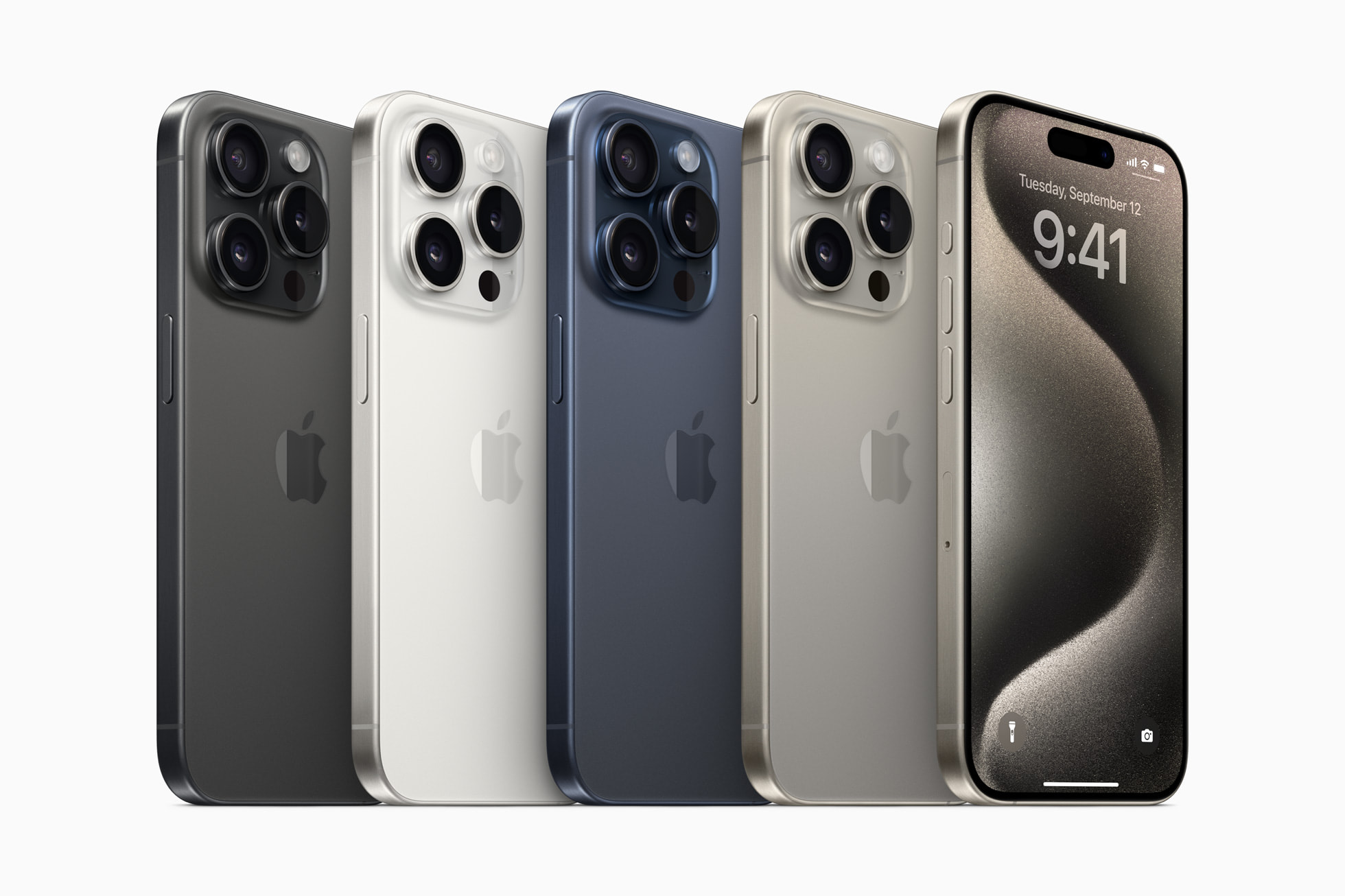
- Aerospace-grade aluminum and titanium: The iPhone 15 Pro’s titanium frame (2023) marked a return to metal, but with a lighter, stronger material. This choice underscored Apple’s commitment to sustainability and performance, while maintaining the premium feel.
Design Element Symbolic Meaning Technological Reflection Bezel-less OLED (2017) Immersive digital experience Maturation of touchscreen and display tech Dynamic Island (2022) Adaptive, functional aesthetics AR/VR integration and real-time UI feedback Titanium frame (2023) Sustainability and lightweight premium Advances in lightweight metal alloys UI Evolution: From Skeuomorphism to Dynamic Island
The iPhone’s user interface underwent parallel transformations to its hardware, each phase aligning with broader technological and cultural shifts:
- 2007–2011: Skeuomorphism (Tactile Illusions in a Digital World)
The iPhone’s early UI borrowed visual cues from physical objects to ease the transition from touchpads to full touchscreens. Key examples included:
- Leather-textured folders for email inbox previews.
- Wood grain textures in the Music app.
- Realistic page-turn animations in iBooks.
This approach was criticized as overly literal, but it served a purpose: reducing the learning curve for users accustomed to physical interfaces. Skeuomorphism also reinforced Apple’s craftsmanship narrative, positioning the iPhone as a high-end digital device.
*"SkeuThe iPhone revolution comparing radical shift underscores a phenomenon where innovation transcended mere product development to redefine entire ecosystems. From its early days as a revolutionary smartphone to its current status as a cultural and economic force, the iPhone’s journey highlights how technology can reshape industries, behaviors, and even urban landscapes. Its legacy lies not just in the hardware advancements or design aesthetics but in its ability to anticipate and fulfill societal needs before they were fully articulated. As the device evolves, its influence on minimalism, functionality, and global connectivity ensures that the iPhone’s radical shift remains a cornerstone of modern technological progress.
Leave a Comment
Comments are moderated before appearing. The data you submit is processed according to the Privacy Policy of partner.football.org.il.